
Canva AI Free Image Generator: Online Text to Image App
Canva AI Image Generator is an online graphic design platform that enables users to create visual content such as presentations, social media graphics, posters, and marketing materials. It is known for its drag-and-drop interface, vast library of templates, and accessibility to both professional designers and non-designers worldwide.
Key facts
- Founded: 2013
- Founders: Melanie Perkins, Cliff Obrecht, Cameron Adams
- Headquarters: Sydney, Australia
- Primary products: Canva Free, Canva Pro, Canva for Teams, Canva for Education
- User base: Over 135 million monthly active users (2024)
Origins and Development
Canva was launched in 2013 with the goal of simplifying graphic design for everyday users. Its founders combined expertise in technology, education, and design to develop a browser-based platform that eliminated the steep learning curve of traditional design software. The company has since grown into one of Australia’s most valuable private tech firms.
Platform and Features
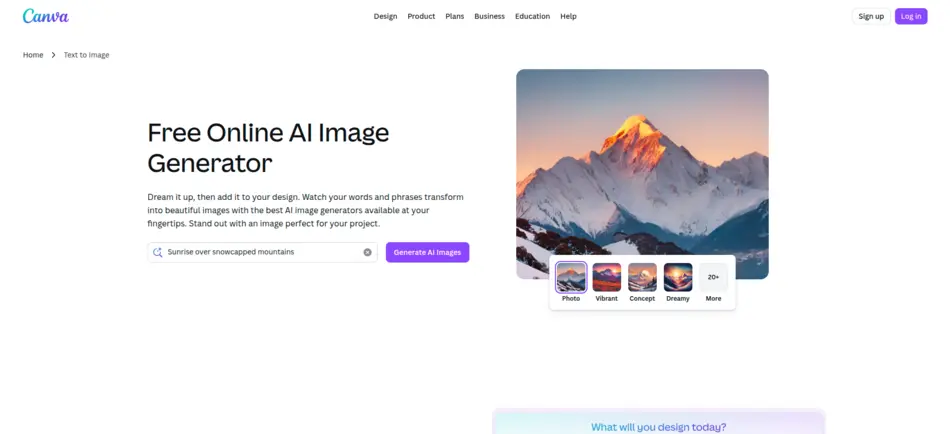
The platform provides customizable templates for print and digital media, supporting collaboration through cloud-based editing. Features include photo editing, video creation, AI-assisted design tools, and integration with platforms like Google Drive, Dropbox, and social media channels. Canva Pro and Teams tiers offer advanced branding and asset management capabilities.
Business Model and Growth
Canva operates on a freemium model, offering core tools for free while monetizing through premium subscriptions. Its paid plans unlock additional templates, stock photos, and brand kits. The platform’s expansion into video, document, and whiteboard design reflects its ambition to become an all-in-one visual communication suite.
Impact and Reception
Canva has democratized access to design by making professional-quality visuals achievable without specialized training. It has gained traction among educators, small businesses, and large enterprises for marketing and communication purposes. The company is frequently cited as a leading example of user-centric design innovation in SaaS.