
In 2026, the best AI tools for education focus on personalization, automation, and accessibility. Top platforms like OpenAI, Khan Academy, Grammarly, Quizlet, and Coursera lead the industry with AI-powered tutoring, adaptive assessments, and content generation. These AI learning tools help teachers automate grading, enable students to receive instant feedback, and allow institutions to scale digital learning solutions efficiently. When choosing AI education software, consider integration options, data privacy compliance, pricing models, and scalability. AI enhances—not replaces—educators by providing real-time insights and customized learning paths.
Key Takeaways
The Best AI tools for education 2026 focus on personalization and automation.
AI-powered platforms improve grading efficiency and reduce teacher workload.
Adaptive learning tools boost student engagement and retention.
Data privacy and academic integrity remain key considerations.
AI in education supports accessibility through speech-to-text, translation, and assistive tech.
Choosing the right AI tool depends on goals, integration, and scalability.
Artificial intelligence is no longer a futuristic concept in classrooms—it’s the quiet engine reshaping how we teach, learn, and measure success. In 2026, from primary schools to global universities, AI-powered systems are driving personalized learning paths, automating grading, enhancing accessibility, and transforming static online courses into dynamic, adaptive experiences. If you’ve ever wondered whether AI can truly improve outcomes—or if it’s just another edtech trend—this guide will give you clarity.
This in-depth ranking of the Best AI tools for education 2026 is designed for teachers, school leaders, instructional designers, edtech founders, and online course creators who want practical insights—not hype. We evaluated each platform based on innovation, usability, pricing transparency, integrations, AI capabilities, and real-world adoption. The goal? To help you choose tools that genuinely improve learning experiences while aligning with modern education technology tools standards.
Whether you’re building an online academy, teaching in a hybrid classroom, or scaling a university LMS, the right AI tools for education can dramatically increase engagement and efficiency. Let’s explore the future of AI in education—ranked, analyzed, and simplified.
How We Ranked the Top AI Education Tools in 2026
Transparency builds trust. That’s why this ranking isn’t random—it’s based on measurable factors aligned with modern AI education software standards.
1. AI Capabilities: Does the tool use generative AI, machine learning, or adaptive algorithms?
2. Ease of Use: Can teachers adopt it without weeks of training?
3. Integrations: LMS compatibility (Google Classroom, Canvas, Moodle).
4. Pricing & Value: Is there a free plan? Does it scale affordably?
5. Innovation: Does it push boundaries in innovative AI e-learning solutions?
6. Real Adoption: Verified usage in schools and universities.
We also cross-referenced findings with research from organizations like UNESCO and OECD, both of which highlight the transformative role of AI in learning ecosystems.
Top 15 Best AI Tools for Education & e-Learning in 2026
#1 OpenAI (ChatGPT Edu) – Best for AI Tutoring & Content Creation
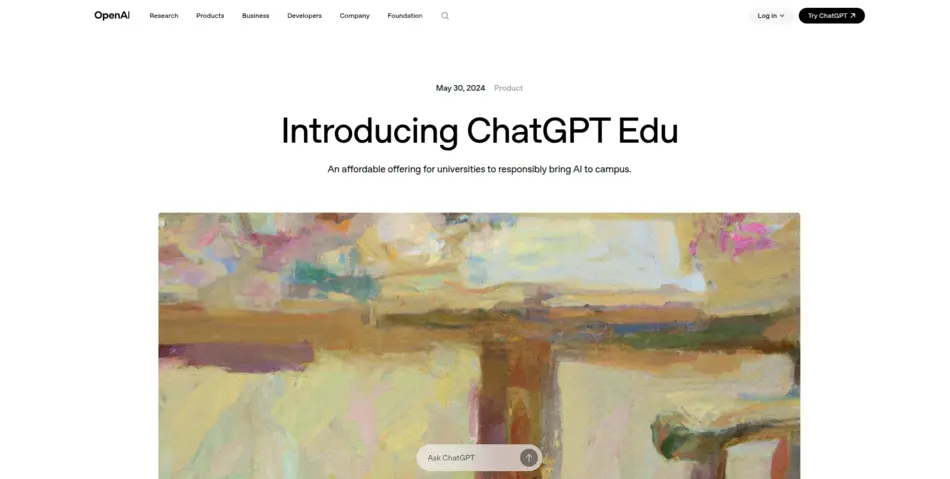
ChatGPT Edu has become one of the most influential AI learning tools in 2026. Designed for institutional use, it helps educators create structured lesson plans, generate quizzes, design grading rubrics, and simplify complex explanations. Students use it for brainstorming, coding assistance, language translation, and academic research support. What makes it powerful is its adaptability across subjects and grade levels.
Key Features:
Generative AI lesson and quiz creation
Personalized explanations
Coding and STEM support
Multilingual academic assistance
Pros:
Extremely versatile across disciplines
Scalable for universities and schools
Saves significant content creation time
Strong contextual reasoning abilities
Cons:
Requires academic integrity guidelines
May generate incorrect information if not verified
Teachers need onboarding for responsible use
Pricing:
Institutional licensing (custom pricing)
Why Ranked #1:
Its flexibility across subjects, education levels, and use cases makes it one of the top AI tools for online education globally in 2026.
Follow On: Twitter | LinkedIn | Instagram | Youtube | Tiktok
#2 Khan Academy (Khanmigo) – Best AI Personalized Learning Platform
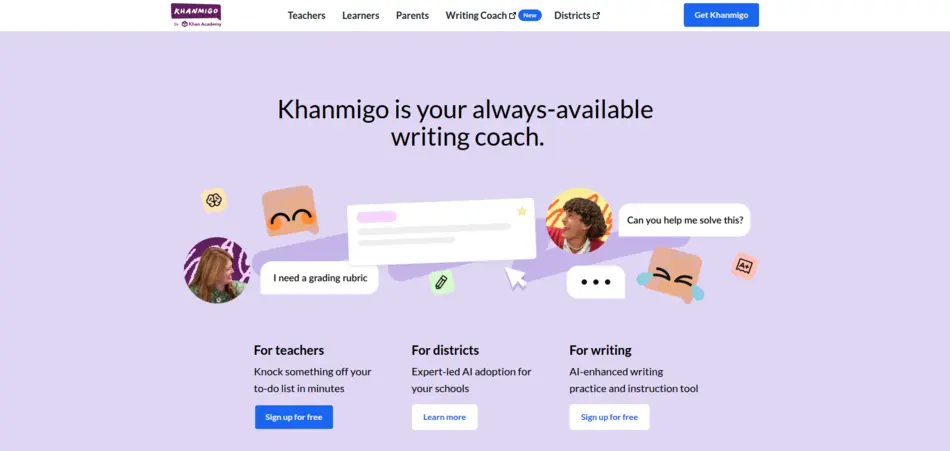
Khanmigo focuses on guided learning rather than direct answers. It encourages critical thinking using the Socratic method, making it ideal for K–12 adaptive tutoring.
Key Features:
Guided questioning system
Math and writing assistance
Teacher dashboard insights
Safe AI guardrails
Pros:
Encourages independent thinking
Strong ethical AI framework
Designed specifically for education
Trusted nonprofit backing
Cons:
Limited subject expansion compared to broader AI platforms
Works best within Khan Academy ecosystem
Not as flexible for higher education research
Pricing:
Subscription-based model
Best For:
K–12 adaptive tutoring and foundational concept mastery
Strength:
Ethical AI framework focused on critical thinking
Why It Stands Out:
Strong alignment with pedagogical research and student-centered learning.
Follow On: Twitter | Instagram | Facebook
#3 Grammarly – Best AI Writing Assistant for Students
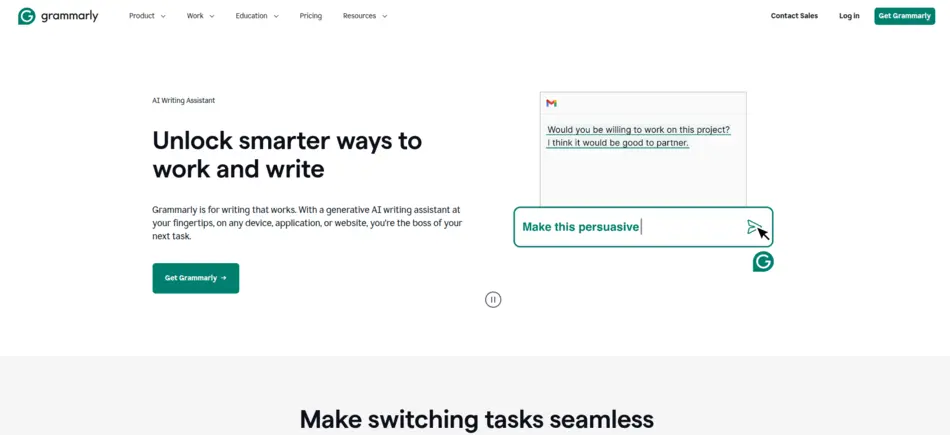
Grammarly now offers contextual writing improvement beyond grammar correction. It supports tone refinement, plagiarism detection, and academic clarity.
Key Features:
AI grammar and clarity suggestions
Plagiarism detection
Tone adjustment
Vocabulary enhancement
Pros:
Improves writing confidence
Integrates with browsers and LMS platforms
Easy to use
Helpful for ESL students
Cons:
Premium features require subscription
May overcorrect stylistic choices
Limited deep research support
Pricing:
Free plan available; Premium subscription model
Ideal For:
High school and university students
Why It Matters:
Clear writing is foundational to academic success, and Grammarly enhances both clarity and confidence.
Follow On: Twitter | Instagram | Facebook | LinkedIn
#4 Quizlet – Best AI Quiz & Assessment Generator
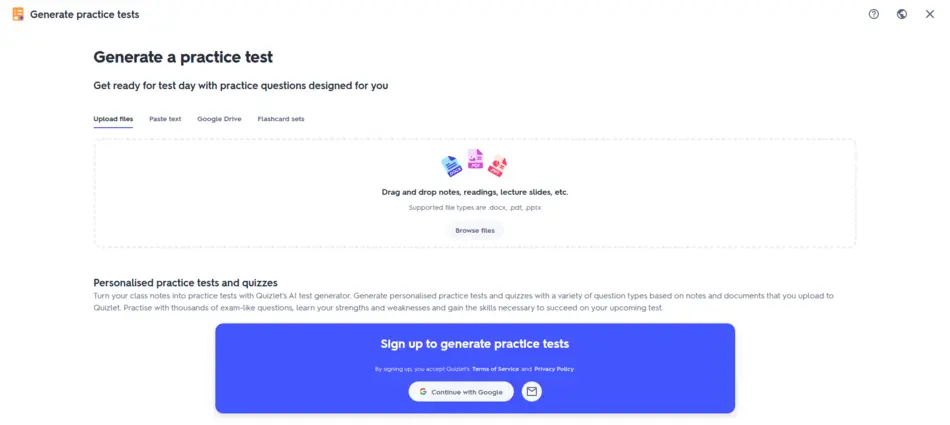
Quizlet AI creates flashcards and adaptive quizzes that adjust difficulty based on performance.
Key Features:
AI flashcard generation
Adaptive testing
Gamified study modes
Progress tracking
Pros:
Highly engaging
Quick exam preparation
Easy mobile access
Data-driven performance feedback
Cons:
Limited advanced analytics for institutions
Premium plan required for full AI features
Over-reliance on flashcard learning
Pricing:
Freemium model
Best For:
Exam preparation and active recall learning
Why It Ranked High:
Its ease of use and data-driven quiz adaptation make it a leader among online learning tools.
Follow On: Twitter | Facebook | LinkedIn | Instagram | Youtube | Tiktok
#5 Coursera Coach – Best for MOOCs
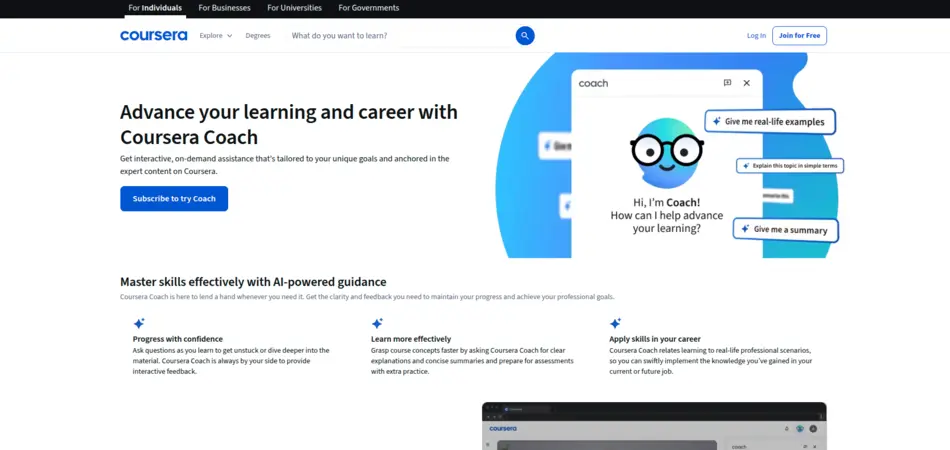
Coursera Coach supports learners across large-scale online courses by summarizing lectures and offering contextual guidance.
Key Features:
AI summaries
Personalized reminders
Career pathway suggestions
Contextual explanations
Pros:
Improves course completion rates
Ideal for professional learners
Seamless platform integration
Cons:
Limited outside Coursera ecosystem
Requires paid courses
Not customizable for instructors
Pricing:
Included within paid Coursera plans
Ideal For:
Professional learners and higher education students
Why It’s Valuable:
Improves retention and course completion rates in large-scale e-learning environments.
Follow On: Twitter | Facebook | LinkedIn | Instagram | Youtube
#6 Canva Magic Write – Best AI Lesson Visual Creator
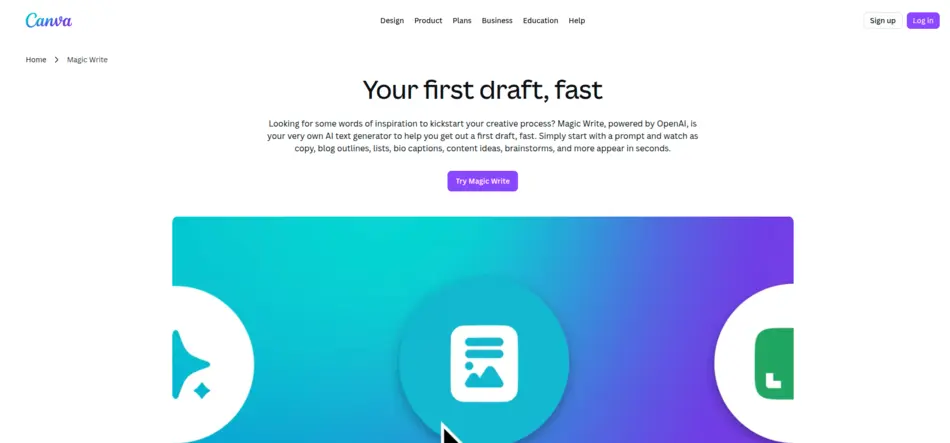
Canva simplifies visual lesson creation with AI-generated text and design suggestions.
Key Features:
AI slide generation
Automated infographic design
Collaborative editing
Template library
Pros:
Beginner-friendly
Enhances visual engagement
Large design template ecosystem
Fast content creation
Cons:
Advanced features behind paywall
Limited deep academic AI support
Internet required for full functionality
Pricing:
Free plan + Pro subscription
Best For:
Visual educators and online course creators
Why It’s Popular:
Combines creativity with productivity in digital learning solutions.
Follow On: Twitter | Facebook | LinkedIn | Instagram | Youtube | Pinterest
#7 Gradescope – Best AI Grading Automation Tool
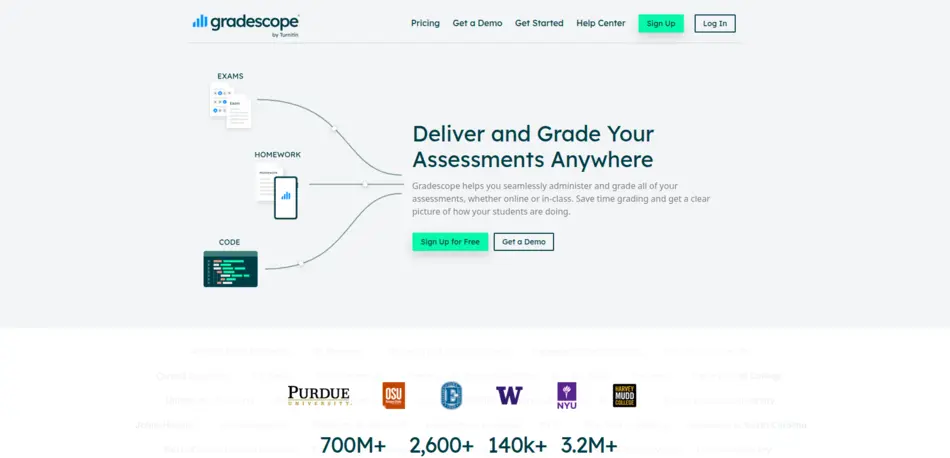
Gradescope clusters similar answers and applies consistent rubrics.
Key Features:
AI answer grouping
Automated rubric scoring
LMS integration
Error pattern analytics
Pros:
Saves grading hours
Improves scoring consistency
Excellent for large classes
Cons:
Requires setup time
Limited creative assignment grading
Subscription required
Pricing:
Institution-based pricing
Ideal For:
Universities handling large enrollment classes
Impact:
Saves educators hours while maintaining grading consistency.
#8 Duolingo Max – Best AI Language Learning Tool
Duolingo Max integrates conversational AI for immersive language practice.
Key Features:
AI conversation simulation
Instant grammar corrections
Personalized progression
Gamified system
Pros:
Highly engaging
Real-world conversational practice
Mobile-friendly
Cons:
Subscription required for Max features
Limited advanced fluency depth
Primarily language-focused
Pricing:
Freemium + premium subscription
Best For:
Self-paced language learners
Why It Excels:
Combines entertainment with structured learning.
Follow On: Twitter | Facebook | LinkedIn | Instagram | Youtube | Tiktok
#9 Notion AI – Best Study Assistant
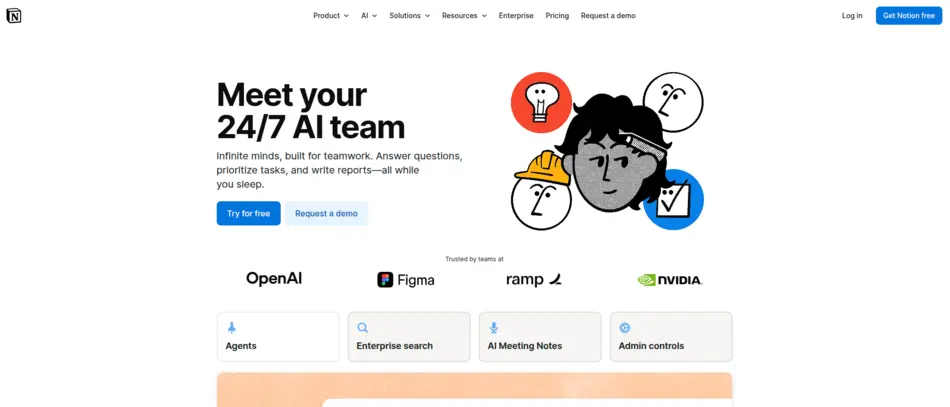
Notion AI helps organize notes, summarize lectures, and generate outlines.
Key Features:
AI summaries
Smart task automation
Research assistance
Collaborative workspace
Pros:
Boosts productivity
Clean interface
Flexible templates
Cons:
Learning curve for beginners
AI credits may be limited
Requires structured input for best results
Pricing:
Free tier + paid AI add-on
Ideal For:
College and postgraduate students
Value:
Boosts productivity and organization skills.
Follow On: Twitter | Facebook | LinkedIn | Instagram | Youtube
#10 Socratic By Google – Best Homework Helper
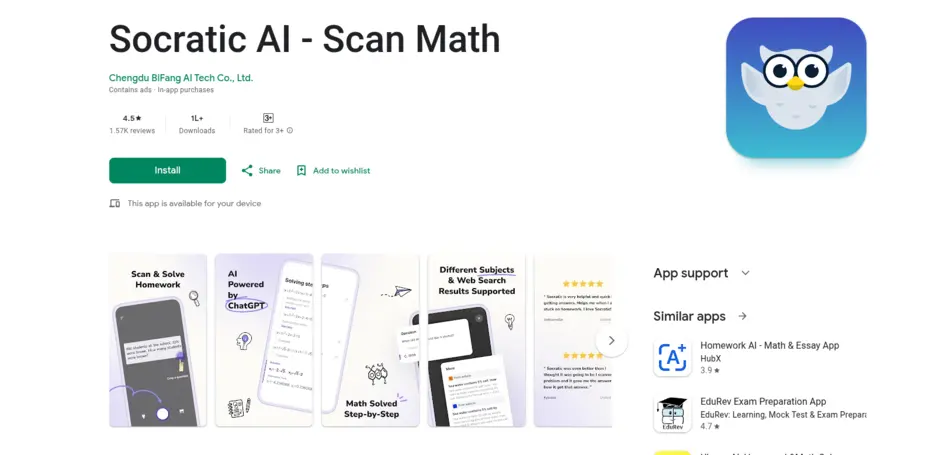
Socratic uses AI-powered image recognition to explain academic problems.
Key Features:
Image scanning
Step-by-step solutions
Multi-subject support
Pros:
Instant homework help
Simple mobile app
Free to use
Cons:
Limited advanced-level support
Less interactive than tutoring tools
Not customizable
Pricing:
Free
Best For:
Middle and high school learners
Why It’s Effective:
Makes homework help instantly accessible.
#11 ScribeSense – Best for Paper-Based AI Grading
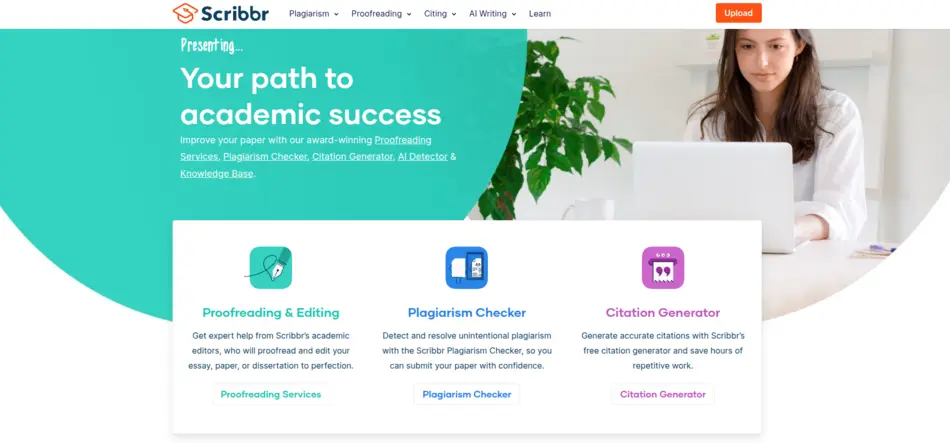
ScribeSense grades handwritten responses using AI.
Key Features:
Handwritten recognition
Automated scoring
Bulk paper processing
Pros:
Ideal for transitional schools
Saves grading time
Maintains rubric consistency
Cons:
Requires scanning hardware
Setup can be technical
Institutional pricing
Pricing:
Custom pricing
Best For:
Schools transitioning from paper to digital
Follow On: LinkedIn | Instagram | Youtube
#12 EdApp AI – Best Microlearning Builder
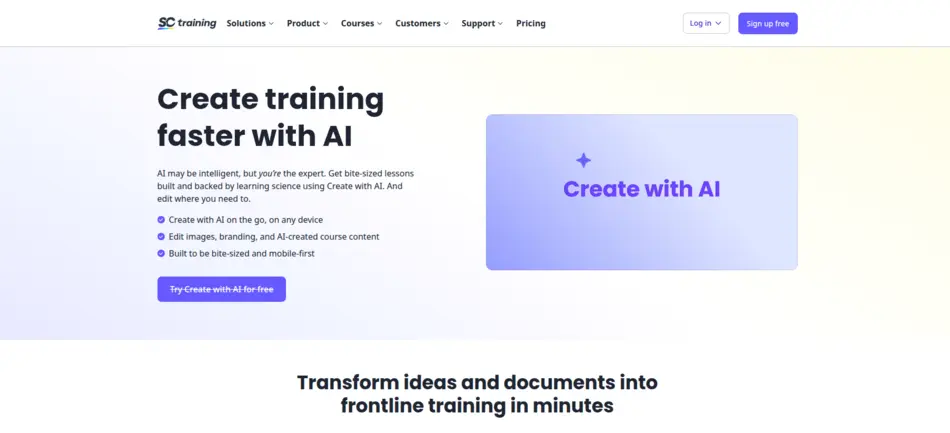
EdApp AI creates bite-sized interactive lessons for mobile learning.
Key Features:
AI lesson generation
Interactive quizzes
Mobile-first design
Pros:
Perfect for short attention spans
Easy deployment
Scalable for institutions
Cons:
Less depth for advanced topics
Limited customization in free tier
Better suited for micro-modules
Pricing:
Freemium + enterprise plans
Best For:
Corporate training & short academic modules
Follow On: Twitter | Facebook | LinkedIn | Instagram | Youtube
#13 CENTURY Tech – Best Adaptive Learning Software
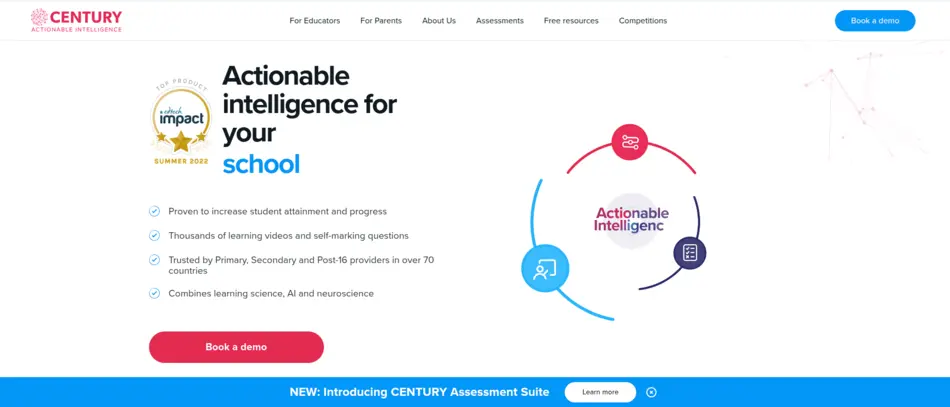
CENTURY Tech uses machine learning to tailor learning paths.
Key Features:
Diagnostic AI assessments
Personalized pathways
Teacher analytics dashboard
Pros:
Strong personalization
Data-driven insights
Research-backed methodology
Cons:
Higher pricing
Requires institutional adoption
Less suitable for independent learners
Pricing:
School licensing model
Best For:
Secondary education and skill mastery
Follow On: Twitter | Facebook | LinkedIn | Instagram
#14 TeachFX – Best AI Classroom Analytics Tool
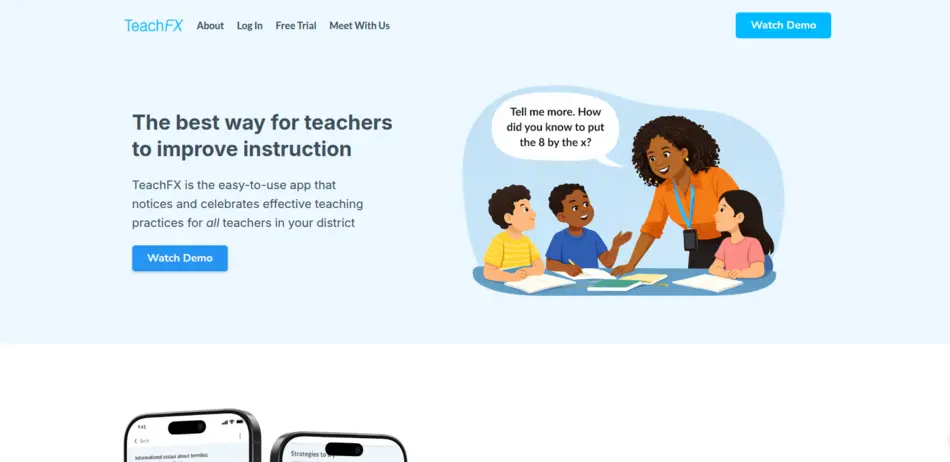
TeachFX provides AI-driven speech and participation analytics.
Key Features:
Conversation analysis
Engagement metrics
Equity insights
Pros:
Improves teaching strategy
Promotes balanced participation
Data-driven improvement
Cons:
Requires teacher buy-in
Data privacy considerations
Works best in structured classrooms
Pricing:
Institution-based pricing
Best For:
Educators aiming to improve discussion quality
#15 Synthesia – Best AI Video Lesson Creator
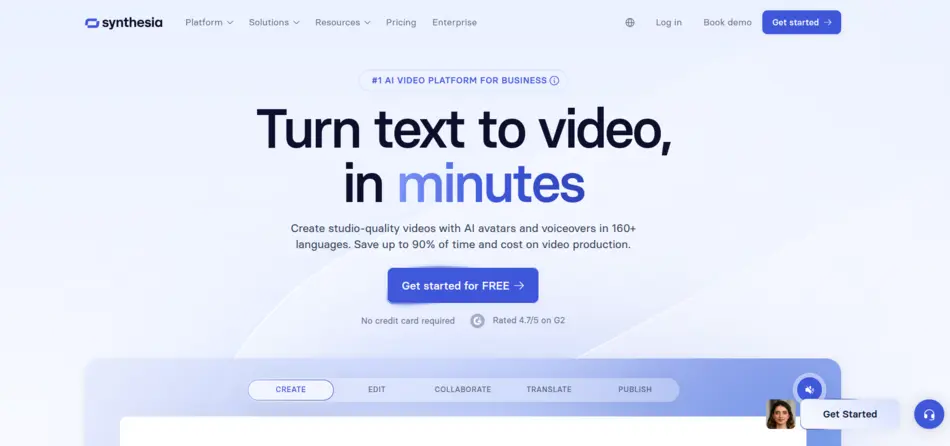
Synthesia enables educators to create AI avatar-based lesson videos without cameras or studios.
Key Features:
AI avatars
Script-to-video automation
Multilingual voiceovers
Professional templates
Pros:
Reduces video production costs
Scalable content creation
Supports global learners
Cons:
Limited emotional nuance
Premium pricing for advanced features
Requires scripting skills
Pricing:
Subscription-based plans
Best For:
Online course creators and institutions
Why It Ranks:
Scalable video creation reduces production costs dramatically.
Follow On: Twitter | LinkedIn | Youtube
Categories of AI Education Tools
AI Tools for Teachers
Grading automation, lesson planning, analytics dashboards.
AI Tools for Students
AI tutor tools, note summarizers, homework helpers.
AI Tools for Schools & Universities
Institutional LMS integrations, predictive analytics.
AI Tools for Online Course Creators
Video generators, adaptive modules, marketing analytics.
Quick Comparison Table (Top 15 AI Tools at a Glance)
| Tool | Best For | Key Feature | Free Plan | Rating |
|---|---|---|---|---|
| ChatGPT Edu | AI tutoring & content | Generative AI | Yes | ⭐ 4.8 |
| Khanmigo | Guided learning | AI Socratic tutor | Limited | ⭐ 4.7 |
| Grammarly | Writing feedback | AI grammar + tone | Yes | ⭐ 4.6 |
| Quizlet AI | Flashcards & quizzes | AI test generator | Yes | ⭐ 4.5 |
| Coursera Coach | Online learning | AI course assistant | No | ⭐ 4.6 |
| Canva Magic Write | Lesson visuals | AI design + text | Yes | ⭐ 4.4 |
| Gradescope | Grading automation | AI scoring | No | ⭐ 4.7 |
| Duolingo Max | Language learning | AI conversation | Yes | ⭐ 4.6 |
| Notion AI | Study assistant | Smart notes | Yes | ⭐ 4.5 |
| Socratic | Homework help | AI explanations | Yes | ⭐ 4.4 |
| ScribeSense | Assessment | AI paper grading | No | ⭐ 4.3 |
| EdApp AI | Microlearning | AI lesson builder | Yes | ⭐ 4.2 |
| Century Tech | Adaptive learning | AI path creation | No | ⭐ 4.5 |
| TeachFX | Classroom insights | AI analytics | No | ⭐ 4.3 |
| Synthesia | Video lessons | AI avatars | Limited | ⭐ 4.6 |
Benefits of Using AI in Education in 2026
AI in education enhances personalization at scale. Adaptive learning tools tailor content difficulty dynamically. Teachers save hours weekly on grading. Students receive 24/7 AI tutor support. Accessibility improves via speech recognition and multilingual translation.
According to research by World Economic Forum, AI-driven education can close skill gaps faster than traditional systems.
Challenges & Limitations
Data privacy concerns
Academic integrity risks
Overreliance on automation
Teacher training requirements
Responsible implementation is key.
How to Choose the Right AI Tool
Define your objective
Compare AI learning platforms 2026
Test free versions
Evaluate scalability
Review compliance policies
Platforms listed on AI Tool Mapper provide comparison filters for easier selection.
Future Trends – What’s Next?
Generative AI classrooms
AI avatars for tutoring
Emotion-aware systems
Real-time skill gap analytics
Expect tighter integration between AI and LMS ecosystems.
FAQs
What are the best AI tools for education in 2026?
ChatGPT Edu, Khanmigo, Grammarly, Quizlet AI, and Synthesia lead the market.
Are AI tools safe for students?
Yes, when compliant with data protection regulations.
Can AI replace teachers?
No. AI enhances teaching efficiency but cannot replace human mentorship.
What is the best AI tool for online courses?
Synthesia and Coursera Coach excel in scalable course delivery.
How much do AI education tools cost?
Free plans exist, while institutional plans vary from $10–$50 per user monthly.
Conclusion
The Best AI tools for education 2026 aren’t about replacing educators—they’re about empowering them. From adaptive learning tools to AI grading automation, the transformation is profound. Schools that embrace AI strategically will see better engagement, measurable outcomes, and scalable growth.
Test platforms carefully. Align tools with your goals. And remember: the future of AI in education is collaborative, not automated.
Explore more comparisons and in-depth reviews on AI Tool Mapper.
Found this helpful? Save it to your Pinterest board!