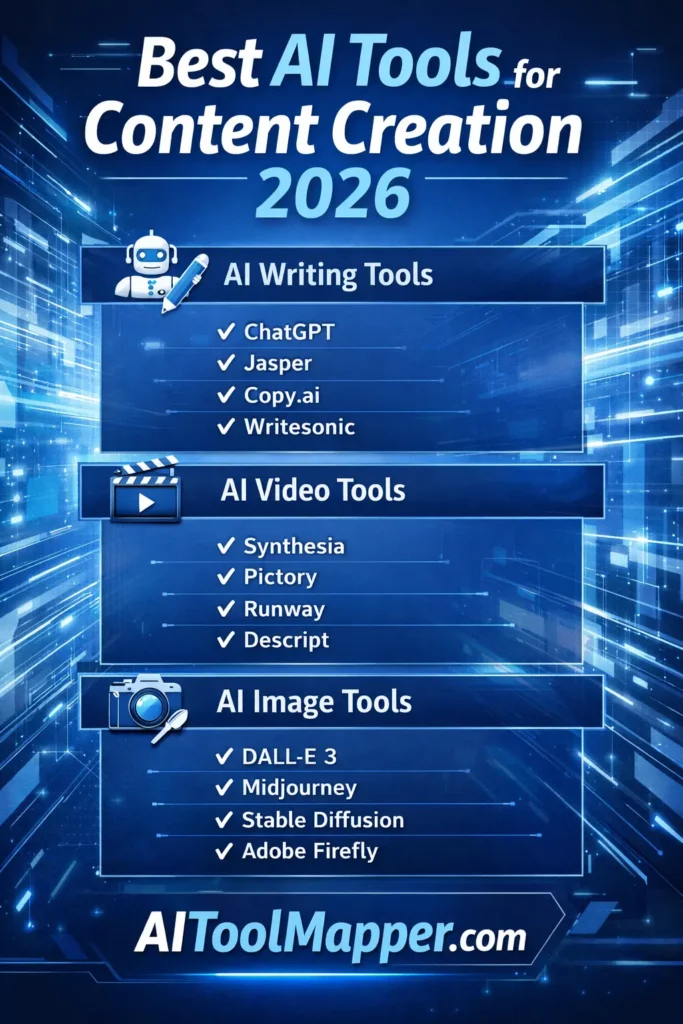
In 2026, AI content creation tools have evolved into multimodal platforms that generate text, images, video, and audio within unified workflows. The top 20 ranked tools include leading AI writing assistants, design generators, video creators, SEO optimization software, and social media automation platforms.
The best AI tools for content creation 2026 combine high-quality output, ease of use, strong integrations, scalable pricing, and built-in SEO capabilities. Multimodal AI, personalization engines, and AI agents for automation are shaping the future of creative workflows.
Businesses, bloggers, marketers, and creators can select tools based on content type, budget, skill level, and integration needs. While AI boosts productivity and scalability, human oversight remains essential for originality, strategy, and brand voice.
Why AI Dominates Content Creation in 2026
The content world has changed dramatically in just a few years. What used to take days—research, drafting, editing, formatting—can now happen in hours. Thanks to advances in large language models (LLMs), diffusion models, and automation engines, AI tools have become core assets for modern creators.
According to industry insights published by platforms like McKinsey & Company and Gartner, generative AI is expected to influence a majority of marketing workflows by 2026. That includes content writing, product descriptions, SEO briefs, video scripts, image generation, and more.
In this guide, you’ll find:
A ranked 2026 generative AI tools list
Detailed breakdowns of the top AI writing and design tools
SEO-focused AI tools for content marketing
Pricing comparisons and use cases
Expert insights to help you choose wisely
Let’s begin by understanding what these tools really are.
What Are AI Content Creation Tools?
AI content creation tools are software platforms that use machine learning models to generate or enhance digital content. This includes:
Blog posts
Social media captions
Images and illustrations
Videos and voiceovers
SEO-optimized articles
Marketing campaigns
At the core, most AI writing assistant tools rely on large language models similar to those developed by OpenAI. Image tools often use diffusion models. Video tools combine generative AI with editing automation.
Types of Creative AI Tools
Text Generators – Blogs, scripts, ads
Image Generators – Graphics, art, thumbnails
Video AI Tools – Avatars, editing automation
Audio Generators – AI voice, podcast narration
SEO Optimization Tools – Content scoring & SERP analysis
Social Automation Platforms – Scheduling & repurposing
These AI tools for bloggers and creators are no longer experimental—they are becoming workflow essentials.
How We Ranked the Top 20 AI Tools (Transparency Section)
To create a trustworthy and authoritative guide, we evaluated each platform using clear criteria:
Ease of Use
Beginner-friendly UI, templates, and onboarding.
Output Quality
Natural language generation, image realism, video smoothness.
Features
Multimodal support, SEO integrations, automation capabilities.
Pricing & Scalability
Free plans, startup pricing, enterprise tiers.
Integrations
CMS, WordPress, Shopify, Zapier, CRM tools.
SEO Compatibility
On-page optimization, keyword research alignment.
User Reviews & Industry Adoption
Real-world adoption across agencies, startups, creators.
This ensures our ranking of the best generative AI tools 2026 is based on practical value—not hype.
Top 20 Best AI Tools for Content Creation & Creative AI (2026 List)
AI Writing & Copy Generation Tools
1. OpenAI (ChatGPT)
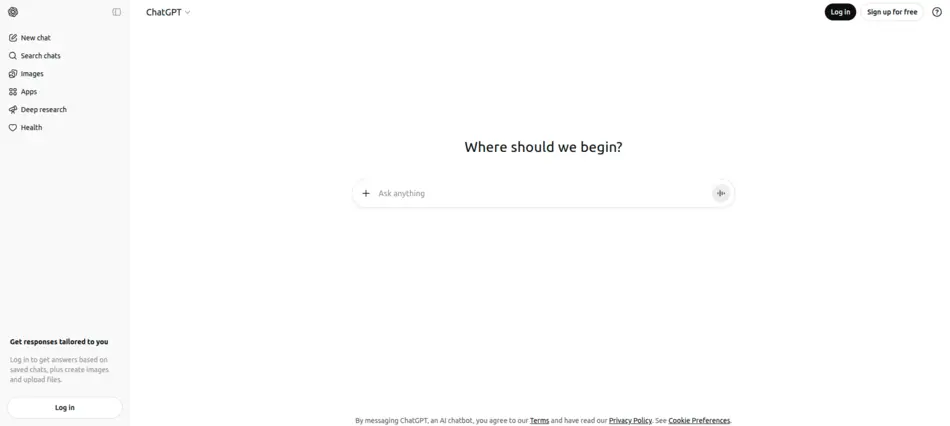
ChatGPT continues to dominate the landscape of AI content creation tools 2026, thanks to its advanced natural language processing and multimodal capabilities. Initially introduced as a conversational AI assistant, the platform has evolved into a full productivity ecosystem used by bloggers, content marketers, educators, and software teams. With powerful reasoning capabilities and contextual understanding, ChatGPT can generate long-form articles, marketing copy, scripts, research summaries, and technical documentation in seconds.
In 2026, many creators rely on ChatGPT not only for writing but also for brainstorming ideas, outlining SEO-friendly blog posts, and optimizing tone for different audiences. Its integration ecosystem with tools like CMS platforms, APIs, and automation systems has made it a cornerstone for modern content workflows.
Key Features
Long-form article and blog generation
Content outlining and brainstorming assistance
SEO-friendly content drafts with structured formatting
Multimodal capabilities (text, images, code, and analysis)
Code generation and debugging support
AI assistant for research and summarization
Custom GPT agents for automation workflows
Integration support for marketing and productivity tools
Best For
Bloggers, SaaS teams, digital marketers, educators, developers, and content strategists.
Pricing
Free plan available with optional Pro and enterprise plans offering higher limits and advanced capabilities.
Pros
Extremely versatile and adaptable for multiple content formats
Produces natural-sounding, human-like text
Strong reasoning and analytical capabilities
Regular updates and improvements
Cons
Requires human editing for brand voice consistency
May occasionally produce overly generic outputs if prompts are vague
Advanced features may require subscription plans
Why It Stands Out in 2026
ChatGPT remains one of the best generative AI tools 2026 because it merges creative writing, logical reasoning, and automation capabilities in one platform. Content teams often use it as a central hub for ideation, drafting, editing, and optimization. For creators building scalable workflows, ChatGPT is often the first AI tool integrated into their content stack.
Website: https://chatgpt.com/
2. Jasper AI
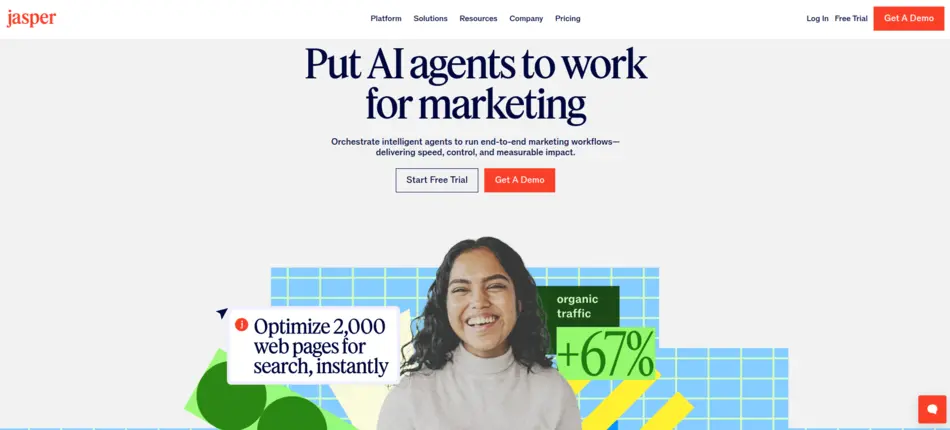
Jasper AI has built a strong reputation among marketing professionals as one of the most specialized AI tools for content marketing. Unlike general AI writing assistants, Jasper focuses heavily on maintaining brand voice and producing marketing-focused copy.
The platform offers a suite of templates designed for campaigns, advertisements, landing pages, email sequences, and social media posts. By allowing teams to define their brand voice, messaging guidelines, and target audience parameters, Jasper ensures that all generated content aligns with a consistent marketing strategy.
In 2026, Jasper continues to be widely adopted by marketing agencies and large businesses that require scalable content production without sacrificing brand identity.
Key Features
Brand voice memory and tone customization
Marketing campaign templates
AI-powered blog post generator
SEO integrations with optimization tools
Team collaboration features
AI-assisted marketing workflows
Built-in content repurposing tools
Analytics-driven content recommendations
Best For
Marketing agencies, content teams, SaaS companies, and enterprise marketing departments.
Pricing
Premium subscription plans with multiple tiers based on team size and content generation limits.
Pros
Strong brand consistency features
Designed specifically for marketing content
Easy integration into marketing workflows
Excellent template library for campaigns
Cons
Higher cost compared to many AI writing assistants
Best suited for marketing use cases rather than general writing
Why It Stands Out
Jasper stands out among creative AI tools for creators because it focuses heavily on marketing strategy rather than simple content generation. Its brand memory system ensures messaging consistency across campaigns, making it one of the most reliable AI tools for professional content teams.
Website: https://www.jasper.ai/
3. Copy.ai
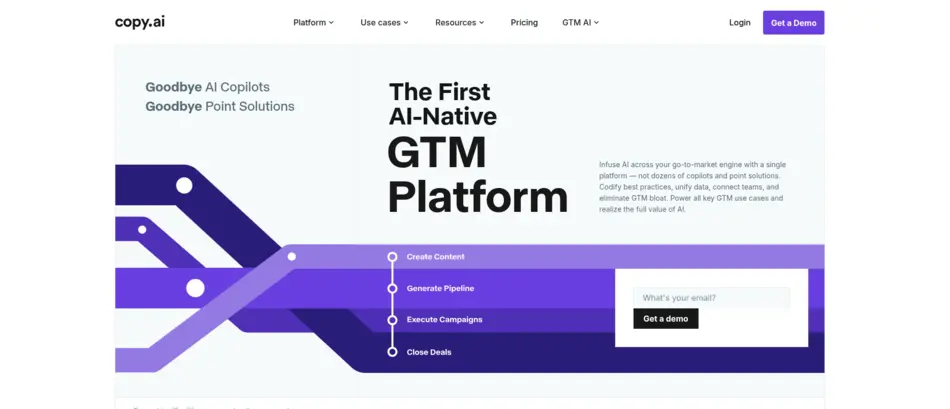
Copy.ai is a powerful AI writing platform designed to simplify and automate marketing copy creation. Since its launch, the platform has gained popularity among entrepreneurs, startups, and marketers who need quick and effective content generation without a steep learning curve.
In 2026, Copy.ai has expanded its capabilities beyond simple copywriting. The platform now supports AI-powered workflows that help automate repetitive tasks such as product description generation, email marketing campaigns, and social media content scheduling. This makes it one of the most practical AI productivity tools 2026 for content teams.
Key Features
AI-powered copywriting templates
Blog post and article generators
Email marketing campaign builder
Product description generator for e-commerce
Workflow automation tools
Multilingual content generation
AI-powered brainstorming assistant
Best For
Startups, small businesses, entrepreneurs, and digital marketers.
Pricing
Free plan available with paid tiers offering advanced automation features and higher usage limits.
Pros
Very easy to use for beginners
Excellent for short-form marketing content
Fast content generation
Helpful automation workflows
Cons
Limited advanced editing capabilities
Long-form content sometimes requires additional refinement
Why It Stands Out in 2026
Copy.ai stands out among AI tools for bloggers and creators because it simplifies complex marketing workflows into easy-to-use AI automation systems. This makes it especially valuable for entrepreneurs who want to scale their marketing efforts without hiring large teams.
Website: https://www.copy.ai/
4. Writesonic
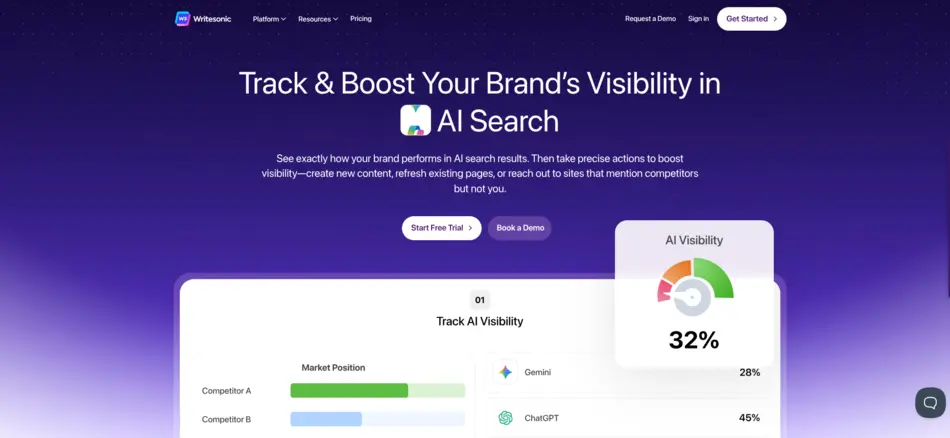
Writesonic has positioned itself as one of the most versatile AI tools for SEO content and marketing automation. The platform combines advanced AI writing capabilities with SEO optimization features, making it particularly useful for content marketers who want to improve search engine rankings while maintaining high-quality writing.
In 2026, Writesonic includes tools for blog writing, ad copy generation, landing page creation, and even AI-powered chat assistants. The platform’s ability to combine creative writing with SEO analysis has made it a popular option for marketers focused on organic traffic growth.
Key Features
Long-form article generator
AI SEO optimization tools
Landing page and ad copy creation
AI chatbot builder
Content rewriting and summarization
Social media caption generator
Integration with marketing platforms
Best For
SEO specialists, bloggers, marketing teams, and content strategists.
Pricing
Free plan with limited features plus paid plans for advanced SEO and content tools.
Pros
Strong SEO-focused features
Wide variety of content templates
Useful for both long-form and short-form content
Regular feature updates
Cons
Output quality can vary depending on prompts
Some advanced tools require premium plans
Why It Stands Out
Writesonic stands out as one of the best AI graphic and text generators because it combines writing and marketing automation with SEO insights. This makes it ideal for content creators who want both creativity and search engine visibility.
Website: https://writesonic.com/
5. Rytr
Rytr is one of the most accessible and beginner-friendly AI writing assistant tools available today. Known for its affordability and simplicity, Rytr has become a favorite among freelancers, bloggers, and small business owners who want to experiment with AI-driven content creation without a large financial investment.
Despite its simplicity, Rytr offers a surprisingly powerful set of features, including blog writing, ad copy generation, and email drafting. The platform also includes tone customization options that allow users to adapt content for different audiences and industries.
Key Features
Blog and article generator
Email and ad copy templates
Tone and language customization
AI-powered rewriting tools
Built-in plagiarism checker
Multi-language support
Best For
Freelancers, beginner bloggers, small businesses, and independent creators.
Pricing
Free plan available with affordable premium tiers.
Pros
Very affordable compared to competitors
Easy-to-use interface
Good for short-form content
Suitable for beginners
Cons
Limited advanced features compared to premium AI platforms
Long-form content sometimes requires manual editing
Why It Stands Out in 2026
Rytr remains one of the most accessible AI tools for bloggers and creators because it balances affordability with functionality. For freelancers and individuals who want a reliable AI writing assistant without complex workflows, Rytr continues to be a practical solution.
AI Image & Graphic Design Tools
Visual content plays a crucial role in modern digital marketing, blogging, and social media growth. In 2026, AI-powered design platforms have dramatically simplified the process of creating high-quality visuals. Instead of relying entirely on professional designers, creators can now generate illustrations, social graphics, concept art, and product visuals within seconds using advanced diffusion models.
These AI tools for video and image creation help bloggers design featured images, marketers create ad creatives, and businesses produce social media graphics at scale. Below are some of the most powerful platforms that dominate the creative AI software for design space in 2026.
Website: https://rytr.me/
6. Midjourney
Midjourney has become one of the most respected AI tools for image creation, known for producing stunning, highly detailed visuals with a unique artistic style. Unlike many AI image generators that focus on simple graphics, Midjourney excels at generating cinematic artwork, concept designs, and photorealistic images.
Artists, designers, and content creators frequently use Midjourney to generate blog illustrations, marketing visuals, and social media graphics. The tool operates primarily through a prompt-based system, allowing users to describe the image they want while the AI interprets those instructions and generates high-quality artwork. In 2026, improvements in prompt interpretation and rendering accuracy have made Midjourney one of the best AI graphic and text generators available.
Key Features
Advanced prompt-to-image generation
Hyper-realistic and artistic visual styles
High-resolution image rendering
Style and lighting customization options
Community prompt inspiration library
Continuous AI model updates for improved realism
Concept art generation for creative industries
Best For
Designers, digital artists, marketers, bloggers, and creative professionals.
Pricing
Subscription-based plans with different image generation limits.
Pros
Exceptional artistic quality
Strong creative control over styles
Highly detailed and cinematic visuals
Active creative community
Cons
Requires prompt experimentation for best results
Interface may be slightly complex for beginners
Why It Stands Out in 2026
Midjourney remains one of the most powerful creative AI tools for creators because it combines artistic creativity with advanced image generation technology. For brands and creators seeking visually striking content, Midjourney consistently produces some of the most impressive AI-generated visuals available today.
Website: https://www.midjourney.com/
7. OpenAI (DALL·E)
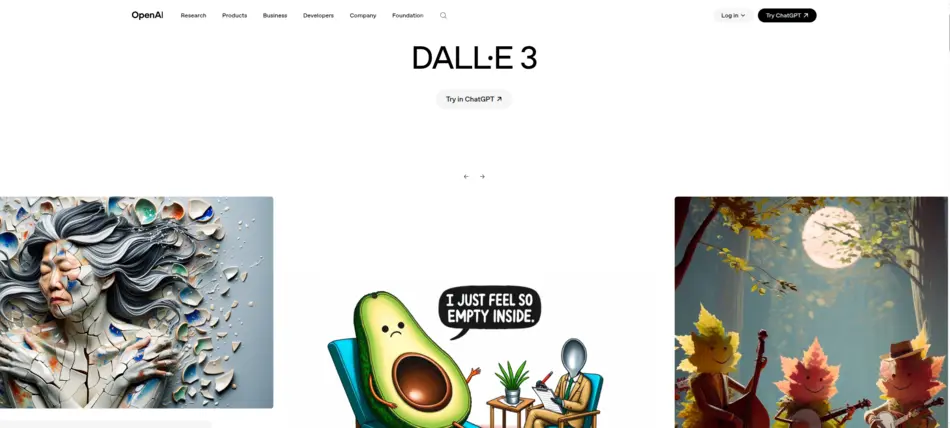
DALL·E, developed by OpenAI, is one of the pioneers of AI image generation. The platform introduced the concept of transforming detailed text prompts into unique visual compositions, which revolutionized how designers and marketers approach visual creation.
In 2026, DALL·E has evolved into a powerful multimodal design assistant capable of generating illustrations, product images, conceptual graphics, and marketing visuals. Its integration with creative workflows makes it especially valuable for bloggers, social media creators, and digital marketers who need high-quality visuals quickly.
Key Features
Text-to-image generation using detailed prompts
Image editing and inpainting capabilities
Ability to expand or modify existing visuals
Creative style adaptation
Seamless integration with content creation workflows
High-resolution image generation
Best For
Content creators, bloggers, marketers, and digital artists.
Pricing
Usage-based pricing with limited free credits depending on platform integrations.
Pros
Strong prompt interpretation accuracy
Easy image editing and customization
Versatile creative styles
Seamless integration with AI writing workflows
Cons
Sometimes produces inconsistent visual details
High-quality outputs may require multiple iterations
Why It Stands Out in 2026
DALL·E remains one of the most innovative AI tools for content marketing because it bridges the gap between text-based creativity and visual design. Its ability to generate and edit images from simple descriptions makes it a valuable tool for creators producing visual assets quickly.
Website: https://openai.com/index/dall-e-3/
8. Adobe (Firefly)
Adobe Firefly represents the next generation of AI-powered design tools integrated directly into the Adobe ecosystem. Unlike many standalone AI generators, Firefly works seamlessly with professional tools like Photoshop and Illustrator, making it extremely useful for designers who already rely on Adobe software.
In 2026, Firefly has become a central part of Adobe’s creative workflow, enabling designers to generate textures, backgrounds, vector elements, and typography effects with AI assistance. This integration allows creators to combine human design expertise with AI-powered automation, resulting in faster production and improved creative experimentation.
Key Features
AI-powered text-to-image generation
AI-generated vector graphics and textures
Smart object editing in Photoshop
Typography and text effects generation
Integration with Creative Cloud applications
Commercially safe AI training data
Best For
Professional designers, creative agencies, and digital artists.
Pricing
Included with Adobe Creative Cloud subscription plans.
Pros
Seamless integration with professional design tools
High-quality commercial-safe assets
Advanced editing capabilities
Reliable ecosystem for creative professionals
Cons
Requires Adobe subscription
Learning curve for new users unfamiliar with Adobe tools
Why It Stands Out
Adobe Firefly stands out among top AI writing and design tools because it blends AI innovation with professional design software. This makes it an ideal solution for professionals who want AI-powered assistance without leaving their existing design environment.
Website: https://www.adobe.com/products/firefly.html
9. Canva (Canva AI)
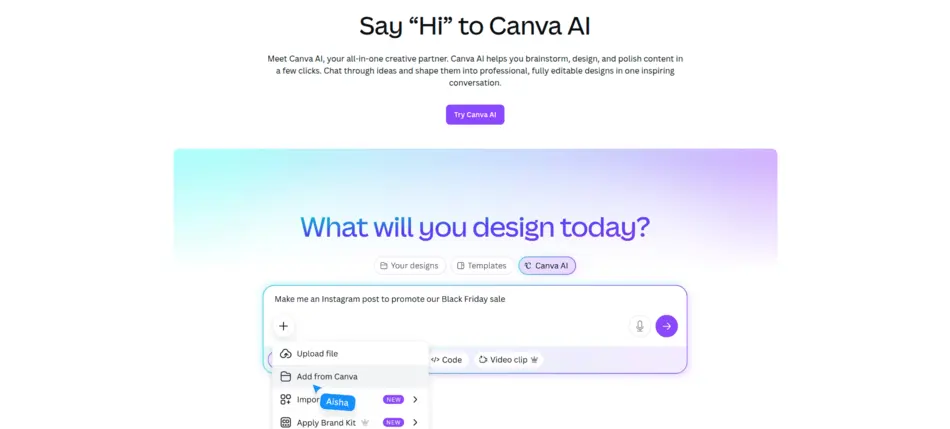
Canva AI has transformed Canva from a simple design platform into a powerful AI-powered creative studio. Known for its beginner-friendly interface, Canva now offers AI features that allow users to generate images, design layouts, and create entire marketing graphics automatically.
In 2026, Canva AI is widely used by entrepreneurs, bloggers, and social media creators who want visually appealing designs without needing advanced design skills. The platform includes AI-powered background removal, image generation, and design suggestions, making it one of the most accessible AI tools for social media content.
Key Features
AI image generation from prompts
Smart design layout suggestions
Background remover and image enhancement
AI-powered presentation creator
Social media content templates
Brand kit and style consistency tools
Best For
Beginner designers, bloggers, entrepreneurs, and social media managers.
Pricing
Free plan available with premium features unlocked through Canva Pro.
Pros
Extremely beginner-friendly
Large library of templates
Ideal for social media graphics
Fast design workflow
Cons
Limited advanced artistic control
Less suitable for high-end professional illustration
Why It Stands Out in 2026
Canva AI remains one of the most practical AI tools for bloggers and creators because it simplifies graphic design for non-designers. Its combination of automation, templates, and AI generation makes visual content creation accessible to everyone.
Website: https://www.canva.com/ai-assistant/
10. Leonardo AI
Leonardo AI has rapidly emerged as a powerful platform for generating high-quality digital artwork and game assets. The platform is particularly popular among game developers, digital artists, and marketers who require consistent visual styles across large projects.
In 2026, Leonardo AI offers advanced customization features that allow users to train custom models, generate concept art, and create highly stylized images. This flexibility makes it one of the most versatile creative AI tools for creators working in entertainment, marketing, and product design.
Key Features
High-quality AI image generation
Custom model training for consistent styles
Concept art and character design tools
Game asset generation capabilities
Prompt-based style customization
Batch image generation for large projects
Best For
Game developers, artists, creative studios, and marketing teams.
Pricing
Free plan available with paid tiers offering more generation credits and advanced features.
Pros
Highly customizable outputs
Excellent for creative and entertainment industries
Consistent image style generation
Strong community support
Cons
Advanced features may require learning prompt techniques
Credit-based system for image generation
Why It Stands Out in 2026
Leonardo AI stands out among best generative AI tools 2026 because it allows creators to train AI models for specific artistic styles. This capability makes it particularly valuable for industries that require consistent visual branding or artistic identity.
Website: https://leonardo.ai/
AI Video Creation Tools
Video content continues to dominate digital platforms in 2026. From YouTube tutorials and Instagram reels to product demos and marketing explainers, video has become one of the most powerful ways to communicate ideas online. However, traditional video production can be time-consuming and expensive. This is where AI tools for video and image creation are transforming the industry.
Modern AI video platforms allow creators to turn scripts, blog posts, or simple text prompts into engaging videos within minutes. These tools automate tasks such as editing, scene generation, voiceovers, and subtitles, making video production accessible even to beginners. As a result, businesses, educators, and content creators are increasingly relying on these platforms as part of their AI content creation tools 2026 workflow.
Below are four of the most influential AI video creation platforms shaping the future of digital storytelling.
11. Synthesia
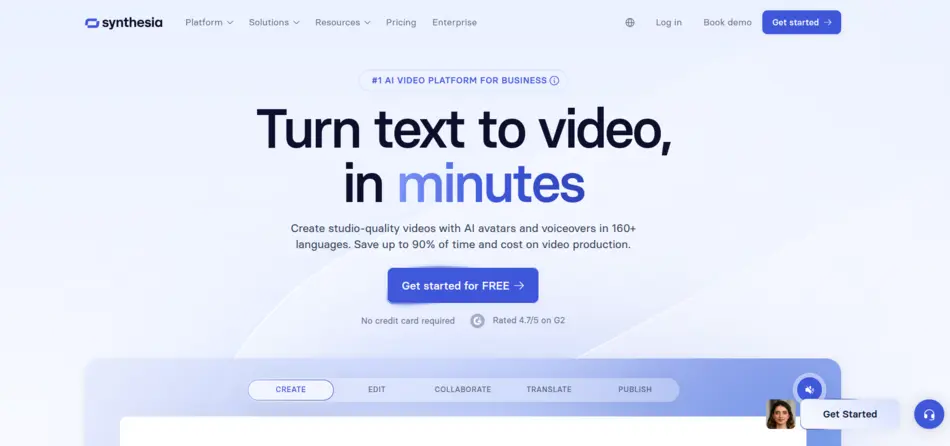
Synthesia has become one of the most recognized platforms for AI-generated videos using realistic digital avatars. Instead of hiring actors, filming studios, or expensive production teams, users can simply type a script and select an AI avatar that delivers the message on screen.
This approach makes Synthesia extremely popular for corporate training videos, product tutorials, marketing explainers, and educational content. In 2026, the platform offers dozens of lifelike avatars and supports multiple languages, allowing companies to produce localized video content quickly. Because of its efficiency and professional output, Synthesia is often ranked among the best generative AI tools 2026 for business communication.
Key Features
AI avatar video generation from text scripts
Support for multiple languages and accents
Custom avatar creation for brand representatives
Built-in video templates for presentations and tutorials
Screen recording and presentation integration
Automated subtitles and voiceovers
Collaboration tools for teams
Best For
Corporate training teams, marketing departments, educators, and businesses creating product explainers.
Pricing
Subscription-based plans with different levels depending on video length and features.
Pros
Eliminates need for actors or video studios
Professional-looking video output
Multilingual support
Fast video production workflow
Cons
Limited creative storytelling compared to full animation tools
Custom avatars may require additional setup costs
Why It Stands Out in 2026
Synthesia stands out among AI tools for content marketing because it makes professional video production accessible to organizations without production resources. For businesses needing scalable video communication, Synthesia remains one of the most efficient solutions available.
Website: https://www.synthesia.io/
12. Runway
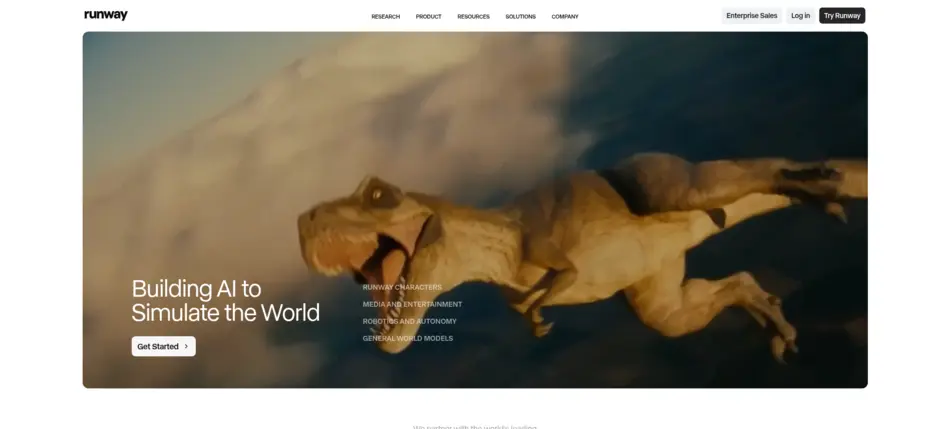
Runway has emerged as one of the most advanced AI video platforms, especially for creators interested in generative video editing and cinematic effects. Unlike tools designed only for automation, Runway provides creative control over video generation and editing through powerful AI models.
The platform allows creators to generate video clips from text prompts, remove objects from footage, create background effects, and apply cinematic visual styles. In 2026, Runway is widely used by filmmakers, designers, and digital artists who want to experiment with AI-assisted video production while maintaining creative flexibility.
Key Features
Text-to-video generation capabilities
AI-powered background replacement
Object removal from video scenes
Motion tracking and cinematic editing tools
AI-generated visual effects and animations
Cloud-based collaborative editing environment
Advanced generative video models
Best For
Filmmakers, YouTubers, designers, and creative professionals.
Pricing
Free plan available with paid tiers for higher rendering quality and additional features.
Pros
Advanced creative control over video editing
Powerful generative AI capabilities
Ideal for cinematic storytelling
Regular feature updates
Cons
Learning curve for beginners
Advanced features may require higher subscription plans
Why It Stands Out in 2026
Runway stands out among creative AI tools for creators because it focuses on innovation and experimentation. For creators who want to push the boundaries of AI-generated video, Runway provides one of the most powerful toolsets available.
Website: https://runwayml.com/
13. Pictory
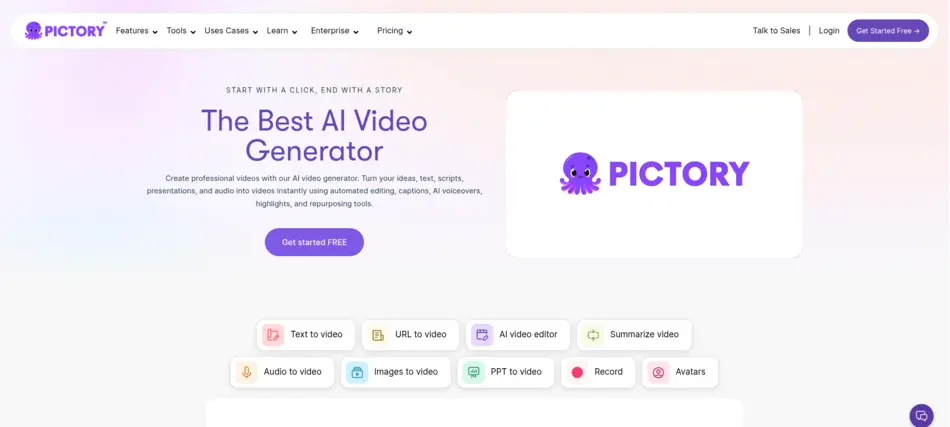
Pictory is a highly practical AI video platform designed to convert written content into engaging video formats. Bloggers, marketers, and educators often use Pictory to transform blog articles, scripts, or podcasts into shareable videos.
In 2026, Pictory has become one of the most useful AI tools for bloggers and creators because it bridges the gap between written content and video content. Instead of manually editing footage, users can simply upload a blog post or script, and the platform automatically generates scenes, visuals, captions, and background music.
Key Features
Blog-to-video automation
AI-powered script-to-video generation
Automatic caption and subtitle creation
Large library of stock images and video clips
AI voiceover generation
Video summarization tools
Social media video formatting
Best For
Bloggers, educators, digital marketers, and social media managers.
Pricing
Subscription plans with different limits on video length and exports.
Pros
Extremely easy to use
Perfect for repurposing blog content
Fast automated video creation
Ideal for social media distribution
Cons
Limited customization for advanced editors
Stock footage selection may feel repetitive for some niches
Why It Stands Out in 2026
Pictory stands out among AI productivity tools 2026 because it allows creators to maximize the value of existing content. By converting blog posts into videos automatically, creators can expand their reach across platforms like YouTube, LinkedIn, and social media.
Website: https://pictory.ai/
14. InVideo (InVideo AI)
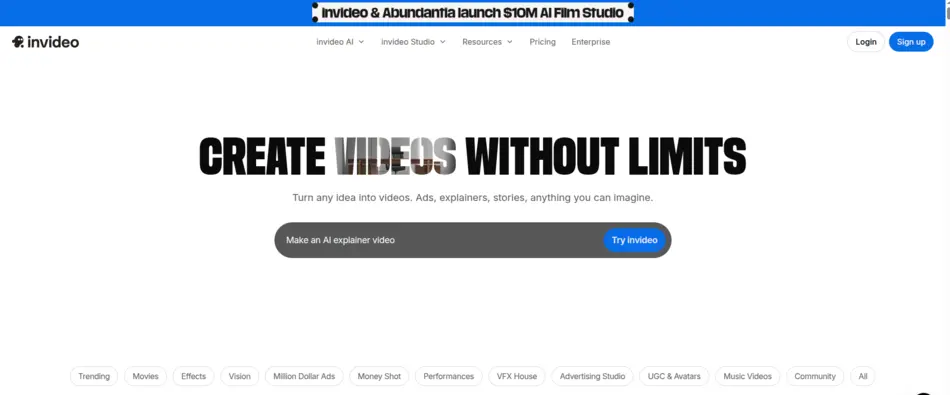
InVideo AI has evolved into one of the most user-friendly AI video platforms for marketing and social media content creation. The platform combines traditional video editing tools with AI automation, allowing users to create professional-quality videos without advanced editing skills.
In 2026, InVideo AI offers prompt-based video creation, meaning users can describe the type of video they want and the AI will generate scenes, visuals, transitions, and voiceovers automatically. This makes it especially useful for social media marketers, entrepreneurs, and small businesses looking to produce engaging content quickly.
Key Features
AI prompt-to-video generation
Large library of templates and stock media
Automated voiceovers and subtitles
Social media optimized video formats
AI-powered script generation
Easy drag-and-drop video editing
Brand customization options
Best For
Social media creators, marketers, entrepreneurs, and small businesses.
Pricing
Free plan available with premium plans offering higher export quality and additional templates.
Pros
Very beginner-friendly interface
Fast video creation process
Large library of templates
Suitable for social media marketing
Cons
Less advanced editing than professional video software
Some templates may feel similar
Why It Stands Out in 2026
InVideo AI remains one of the most practical AI tools for social media content because it simplifies video creation for non-experts. Its combination of templates, automation, and AI generation allows creators to produce engaging marketing videos quickly and consistently.
Website: https://invideo.io/
AI Audio & Voice Generation Tools
Audio content has become an essential part of modern digital communication. Podcasts, audiobooks, YouTube narrations, training modules, and voice assistants all rely heavily on high-quality audio production. Traditionally, creating professional voiceovers required recording studios, voice actors, and complex editing software. However, AI-driven voice synthesis tools have completely changed this process.
Today’s AI audio generation platforms can produce natural-sounding voices in multiple languages with realistic tone, emotion, and pronunciation. These AI tools for content marketing allow creators to generate voiceovers instantly for videos, podcasts, and educational content. As part of the broader ecosystem of AI content creation tools 2026, audio AI tools are helping creators scale their production while maintaining professional sound quality.
Below are two of the most influential platforms shaping the future of AI voice technology.
15. ElevenLabs
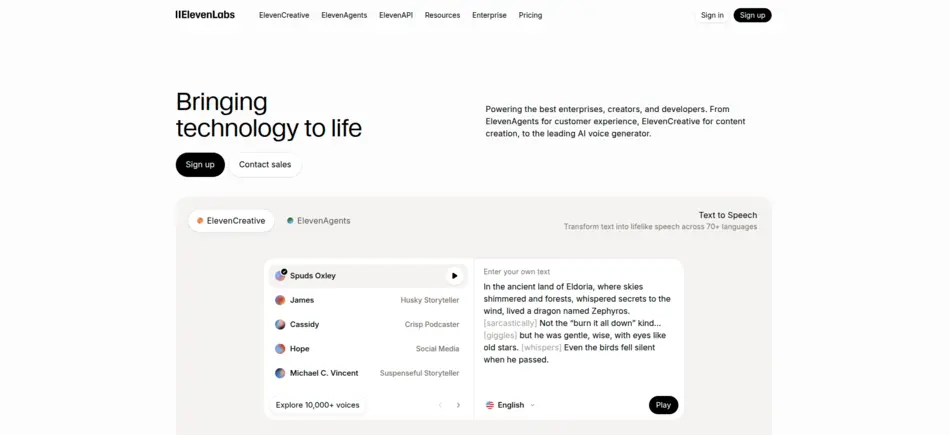
ElevenLabs has become one of the most advanced AI voice generation platforms in the market. Known for producing incredibly realistic speech synthesis, the platform is widely used by content creators, audiobook publishers, game developers, and video producers.
The tool uses advanced deep learning models to replicate human speech patterns, including tone, emotion, pauses, and natural pronunciation. This makes it possible to generate voiceovers that sound remarkably similar to real human voices. In 2026, ElevenLabs has expanded its capabilities with multilingual voice support and voice cloning technology, allowing creators to replicate specific vocal styles for consistent branding across projects.
Key Features
Ultra-realistic AI voice synthesis
Voice cloning technology for custom voices
Multilingual voice generation
Emotion and tone control for expressive speech
AI-powered audiobook narration
Text-to-speech conversion for scripts and articles
Integration with video and content creation workflows
Best For
YouTubers, podcast creators, audiobook publishers, marketers, and game developers.
Pricing
Free plan available with premium tiers offering more voice generation credits and advanced customization.
Pros
Extremely realistic voice output
High-quality pronunciation and natural tone
Multiple voice styles and languages
Suitable for professional voiceover production
Cons
Voice cloning features may require higher subscription plans
Advanced customization may take time to master
Why It Stands Out in 2026
ElevenLabs stands out among best generative AI tools 2026 because of its unmatched voice realism and emotional tone control. For creators producing video narrations, podcasts, or digital courses, it provides a scalable alternative to hiring voice actors while maintaining high production quality.
Website: https://elevenlabs.io/
16. Murf AI
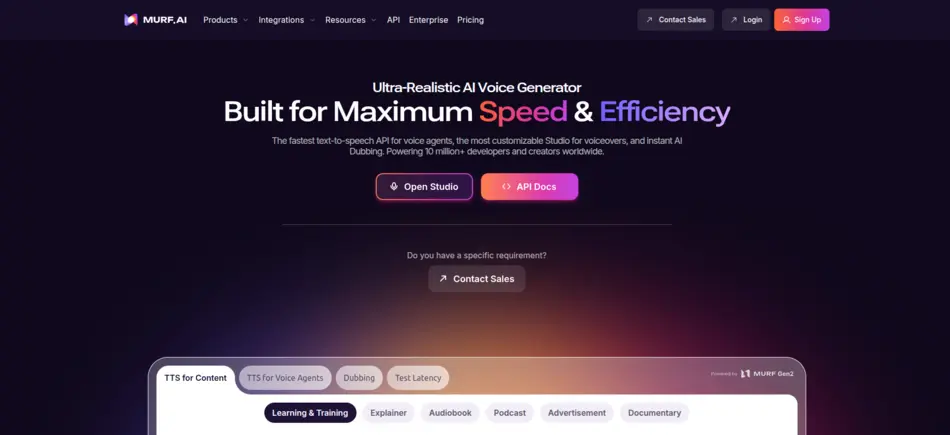
Murf AI is another powerful platform that has gained popularity as a professional-grade AI voice generator. The platform focuses on delivering studio-quality voiceovers for marketing, presentations, e-learning courses, and promotional videos.
Unlike basic text-to-speech tools, Murf AI offers advanced editing features that allow users to adjust pitch, speed, emphasis, and pauses. This enables creators to produce polished voiceovers that sound natural and engaging. In 2026, Murf AI has become widely used by businesses and marketing teams looking for efficient ways to produce voice content without traditional recording equipment.
Key Features
AI-generated voiceovers for videos and presentations
Multiple voice styles with adjustable tone and speed
Voice editing tools for pitch, pauses, and emphasis
Background music integration for audio projects
Script-to-voice conversion for marketing and educational content
Collaboration tools for team-based projects
Best For
Businesses, marketing teams, educators, YouTubers, and training organizations.
Pricing
Subscription-based plans depending on voice generation usage and advanced features.
Pros
Professional-quality voiceovers
Easy-to-use editing interface
Multiple voice styles and accents
Suitable for corporate and marketing content
Cons
Fewer experimental voice options compared to some competitors
Premium features require subscription plans
Why It Stands Out in 2026
Murf AI stands out among AI tools for video and image creation workflows because it integrates seamlessly with video production platforms. By enabling creators to produce high-quality narration quickly, Murf AI helps streamline the entire content creation process.
Website: https://murf.ai/
AI SEO & Content Optimization Tools
Creating content is only half the battle in modern digital marketing. To rank well in search engines, content must also be optimized for keywords, search intent, and readability. This is where AI SEO and content optimization platforms play a critical role.
In 2026, these tools use machine learning algorithms to analyze top-ranking pages, identify keyword opportunities, and provide actionable recommendations to improve search performance. Instead of manually researching competitors and SEO metrics, creators can rely on AI-powered insights to build well-structured and search-friendly articles.
These AI tools for SEO content help bloggers, marketers, and businesses improve organic visibility while ensuring their content aligns with search engine best practices. Platforms like Google continuously update their algorithms, which makes using smart SEO tools even more important for maintaining strong rankings.
Below are two of the most widely used AI-driven SEO platforms in the content marketing ecosystem.
17. Surfer SEO
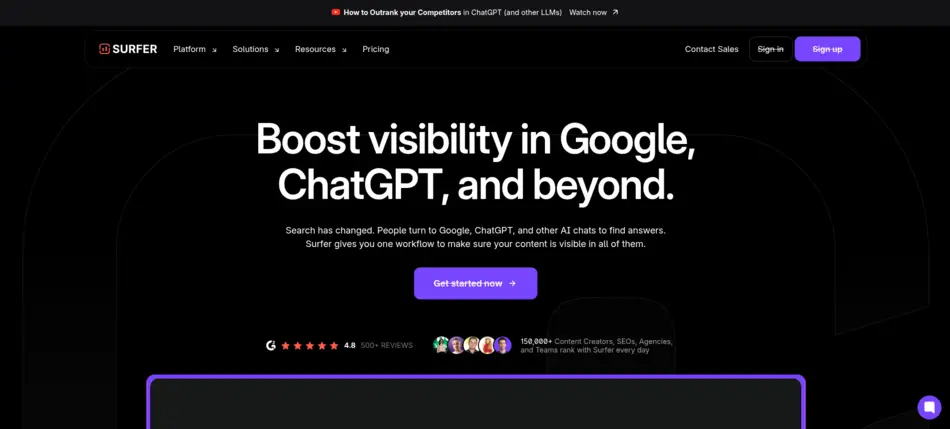
Surfer SEO is one of the most powerful platforms for optimizing content using real-time search engine data. The tool analyzes the top-performing pages for a specific keyword and provides recommendations on how to structure your content to compete effectively in search results.
In 2026, Surfer SEO has evolved beyond simple keyword analysis and now includes AI-assisted writing tools, content scoring systems, and detailed SERP analysis. This makes it a valuable companion for bloggers and marketers who want to ensure their articles are optimized for both readers and search engines. By combining SEO insights with AI content generation, Surfer helps creators produce high-quality content that aligns with modern ranking signals.
Key Features
Real-time content scoring based on SEO factors
Keyword density and semantic keyword recommendations
SERP analysis and competitor insights
AI-powered content editor for optimization
Content audit tool for improving existing articles
Integration with writing platforms and CMS systems
NLP-based keyword suggestions
Best For
SEO specialists, bloggers, digital marketers, and content strategists.
Pricing
Subscription-based pricing with different tiers depending on features and content limits.
Pros
Data-driven SEO recommendations
Real-time optimization while writing
Helpful competitor analysis tools
Strong integration with AI writing platforms
Cons
Learning curve for beginners unfamiliar with SEO metrics
Premium plans may be expensive for individual creators
Why It Stands Out in 2026
Surfer SEO remains one of the best AI tools for content creation 2026 because it connects content writing with SEO intelligence. By guiding writers with real-time optimization suggestions, the platform helps ensure that articles are both engaging for readers and competitive in search rankings.
Website: https://surferseo.com/
18. Frase
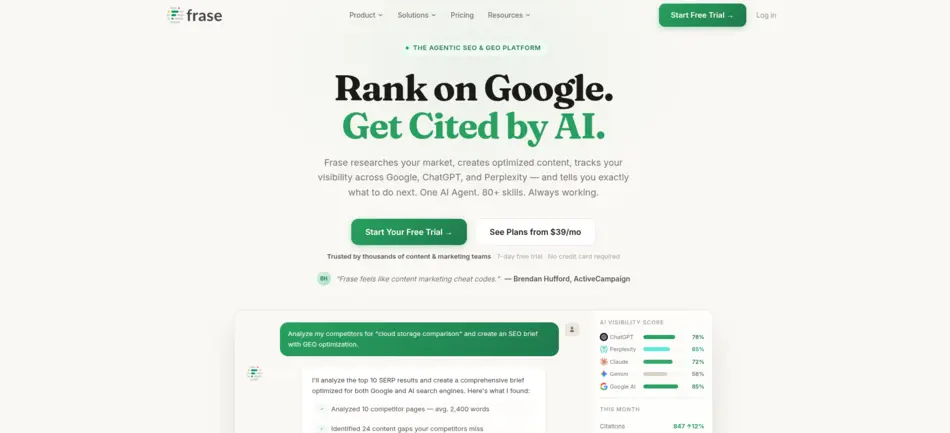
Frase is a powerful AI-driven content research and optimization platform designed to streamline the entire content creation process. The tool helps creators identify search intent, analyze competitor content, and generate SEO-friendly outlines before writing a single paragraph.
In 2026, Frase has become one of the most effective AI tools for bloggers and creators who want to create content that answers user questions and ranks well in search results. The platform uses AI to summarize SERP results, extract key topics, and suggest content structures that align with what search engines expect. This approach makes it easier to produce comprehensive, well-organized articles.
Key Features
AI-powered content brief generation
SERP analysis and competitor research
Automated outline and topic suggestions
AI writing assistance for SEO articles
Question-based keyword research
Content optimization scoring
Integration with blogging and CMS platforms
Best For
Bloggers, content marketers, SEO agencies, and niche website owners.
Pricing
Monthly subscription plans with additional features depending on the tier.
Pros
Excellent research and content briefing tools
Helps identify search intent quickly
Simplifies SEO workflow for writers
Useful for long-form content planning
Cons
AI writing features may require manual refinement
Some advanced research features available only in premium plans
Why It Stands Out in 2026
Frase stands out among AI tools for SEO content because it focuses heavily on content research and search intent. Instead of simply generating text, the platform helps creators build well-structured articles that answer real user questions—an approach that aligns closely with modern search engine algorithms.
Website: https://www.frase.io/
AI Social Media & Automation Tools
Social media platforms have become one of the most important channels for distributing content and building online communities. However, managing multiple platforms, creating engaging posts, scheduling content, and analyzing performance can quickly become overwhelming for creators and marketing teams.
This is where AI-powered social media tools are making a huge difference. Modern platforms use artificial intelligence to analyze engagement patterns, generate post ideas, repurpose long-form content into bite-sized posts, and automate scheduling across multiple channels. These AI tools for social media content allow businesses and creators to maintain a consistent online presence without spending hours manually managing posts.
In 2026, social media automation tools also integrate with analytics and content planning systems, helping marketers make data-driven decisions. According to insights from organizations like HubSpot, businesses that use automated content distribution tools often see higher engagement rates and improved marketing efficiency.
Below are two powerful platforms that stand out in the world of AI tools for content marketing and automation.
19. Lately AI
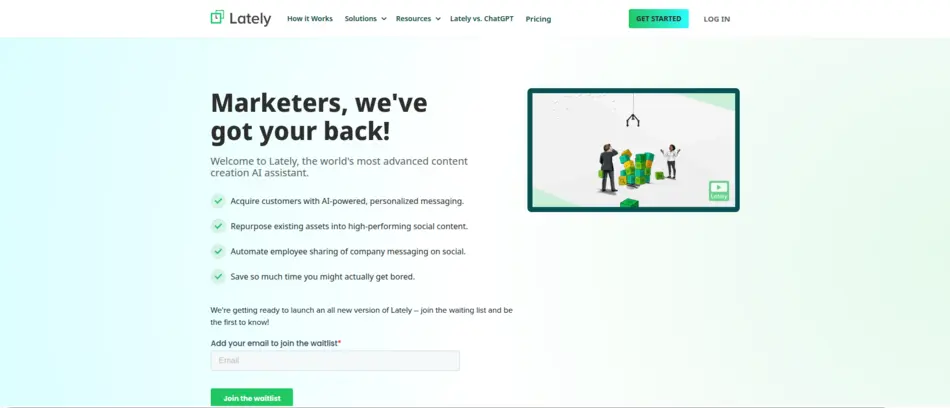
Lately AI is an advanced AI-powered platform designed to transform long-form content into multiple social media posts automatically. Instead of manually writing captions for each platform, users can upload blogs, podcasts, or videos, and Lately AI will analyze the content and generate dozens of social media snippets optimized for engagement.
In 2026, the platform uses machine learning models trained on social media performance data to predict which types of posts are most likely to resonate with audiences. This makes Lately AI especially valuable for marketers who want to scale content distribution without sacrificing quality.
Key Features
AI-powered content repurposing engine
Automatic generation of social media captions
Performance prediction based on past engagement data
Content scheduling and publishing tools
Analytics dashboard for tracking campaign performance
Integration with major social platforms
AI-driven hashtag and caption suggestions
Best For
Digital marketing agencies, social media managers, content marketers, and brands managing multiple channels.
Pricing
Subscription-based plans depending on the number of users and social media accounts.
Pros
Saves significant time on content repurposing
Data-driven post optimization
Helps maintain consistent social media activity
Useful for scaling content marketing strategies
Cons
May require manual editing for brand voice consistency
Premium features available only in higher-tier plans
Why It Stands Out in 2026
Lately AI stands out among AI productivity tools 2026 because it focuses on maximizing the value of existing content. By turning long-form content into dozens of optimized posts, it allows creators to extend the lifespan and reach of their content across multiple social platforms.
Website: https://www.lately.ai/
20. Ocoya
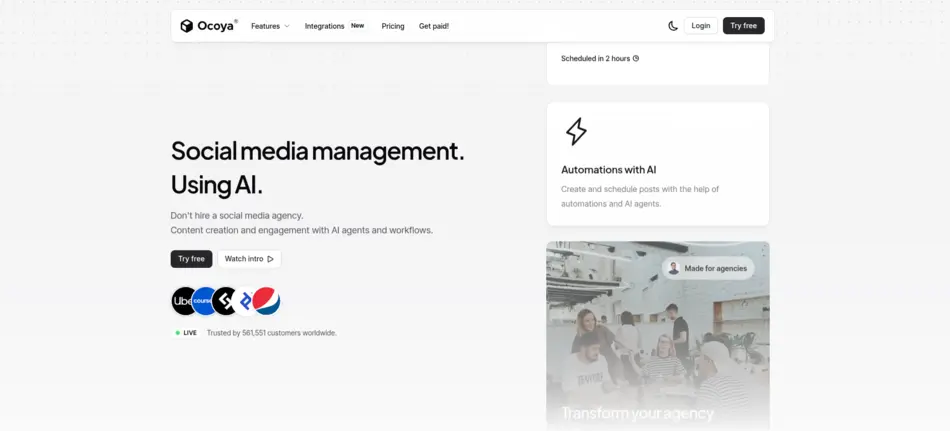
Ocoya is an all-in-one AI-powered platform designed to simplify social media content creation, scheduling, and analytics. The platform combines AI copywriting, graphic design tools, and automation features into a single interface, making it ideal for creators who want to manage their entire social media workflow in one place.
In 2026, Ocoya has become increasingly popular among entrepreneurs, e-commerce brands, and small businesses looking for an efficient way to produce engaging social media content. By combining design templates, AI caption generation, and automated scheduling, Ocoya helps users maintain a consistent online presence with minimal effort.
Key Features
AI-powered caption and content generator
Social media scheduling and automation tools
Graphic design templates for posts and ads
Hashtag and trend suggestions
Integration with major social media platforms
Performance analytics and engagement tracking
Content calendar for campaign planning
Best For
Entrepreneurs, social media managers, e-commerce brands, and small business owners.
Pricing
Subscription plans with varying levels depending on the number of accounts and automation features.
Pros
All-in-one platform for social media management
AI-powered design and caption generation
Easy scheduling across multiple platforms
Ideal for small teams and startups
Cons
Advanced analytics features may require premium plans
Some customization options are limited compared to dedicated design tools
Why It Stands Out in 2026
Ocoya stands out among AI tools for bloggers and creators because it combines content creation, design, and scheduling into a single platform. For creators who want to streamline their entire social media workflow, Ocoya provides an efficient and scalable solution.
Website: https://www.ocoya.com/
Comparison Table – Top 20 AI Content Creation Tools (2026)
| Tool Name | Category | Best For | Starting Price | Free Plan | Ease of Use | Key Integrations | Overall Rating |
|---|---|---|---|---|---|---|---|
| ChatGPT | AI Writing Assistant | Blog writing, research, scripting | Free | Yes | Beginner | WordPress, API tools, Zapier | ⭐ 9.6/10 |
| Jasper AI | AI Marketing Writer | Marketing campaigns & brand content | Paid | No | Intermediate | Surfer SEO, HubSpot | ⭐ 9.2/10 |
| Copy.ai | AI Copywriting | Marketing copy & startup content | Free / Paid | Yes | Beginner | Zapier, CRM tools | ⭐ 9.0/10 |
| Writesonic | AI Content & SEO Writer | SEO blog writing & landing pages | Free / Paid | Yes | Beginner | Surfer SEO, WordPress | ⭐ 9.1/10 |
| Rytr | AI Writing Tool | Freelancers & small businesses | Free / Paid | Yes | Beginner | Google Docs, CMS platforms | ⭐ 8.8/10 |
| Midjourney | AI Image Generator | Artistic and photorealistic images | Paid | No | Intermediate | Discord workflow | ⭐ 9.4/10 |
| DALL·E | AI Image Generator | Prompt-based visual creation | Usage-based | Limited | Beginner | OpenAI ecosystem | ⭐ 9.2/10 |
| Adobe Firefly | AI Design Tool | Professional design workflows | Paid | No | Intermediate | Photoshop, Illustrator | ⭐ 9.3/10 |
| Canva AI | AI Graphic Design | Social media graphics & presentations | Free / Paid | Yes | Beginner | Canva ecosystem, social media platforms | ⭐ 9.1/10 |
| Leonardo AI | AI Art Generator | Game assets & concept art | Free / Paid | Yes | Intermediate | Creative tools & design platforms | ⭐ 9.0/10 |
| Synthesia | AI Video Creator | Corporate training & explainer videos | Paid | No | Beginner | LMS platforms, marketing tools | ⭐ 9.3/10 |
| Runway | Generative Video AI | Video editing & visual effects | Free / Paid | Yes | Advanced | Creative tools, cloud editing | ⭐ 9.2/10 |
| Pictory | AI Video Automation | Blog-to-video creation | Paid | No | Beginner | YouTube, social platforms | ⭐ 8.9/10 |
| InVideo AI | AI Video Editor | Social media marketing videos | Free / Paid | Yes | Beginner | Stock media libraries, social platforms | ⭐ 9.0/10 |
| ElevenLabs | AI Voice Generator | Realistic voiceovers & narration | Free / Paid | Yes | Beginner | Video editors, content tools | ⭐ 9.4/10 |
| Murf AI | AI Voiceover Tool | Corporate and marketing voiceovers | Paid | Limited | Beginner | Video editing tools | ⭐ 9.0/10 |
| Surfer SEO | AI SEO Optimization | On-page SEO and content scoring | Paid | No | Intermediate | Jasper AI, CMS platforms | ⭐ 9.3/10 |
| Frase | AI Content Research | SEO briefs & search intent analysis | Paid | No | Beginner | WordPress, Google Search tools | ⭐ 9.1/10 |
| Lately AI | AI Social Media Automation | Content repurposing | Paid | No | Intermediate | Social media platforms | ⭐ 8.9/10 |
| Ocoya | AI Social Media Manager | Content scheduling & automation | Paid | Limited | Beginner | Instagram, Twitter, LinkedIn | ⭐ 9.0/10 |
Use Cases by Industry
Bloggers & Niche Site Owners
AI writing assistant tools combined with Surfer SEO create optimized blog posts quickly.
YouTubers
Runway + ElevenLabs allow full video creation without studio equipment.
Digital Marketing Agencies
Jasper + Canva AI + Lately AI streamline campaigns.
E-commerce Brands
Product description automation using Writesonic boosts scalability.
SaaS Companies
ChatGPT for documentation + Frase for SEO alignment.
AI Content Creation Trends in 2026
Multimodal AI tools dominate
AI agents automate entire workflows
Personalization at scale
AI + SEO integration
Ethical watermarking
Research from Stanford University shows multimodal models outperform single-modality systems in complex creative tasks.
Pros & Cons of Using Creative AI Tools
Advantages
Faster production
Lower cost
Scalable output
Improved SEO workflows
Challenges
Originality risks
Over-reliance
Fact-checking required
How to Choose the Right AI Tool
Ask yourself:
What type of content do you create?
What’s your budget?
Do you need SEO features?
Does it integrate with WordPress or Shopify?
Platforms listed on AI Tool Mapper help you compare AI tools for SEO content, AI productivity tools 2026, and creative AI software for design in one place.
Frequently Asked Questions
1. What is the best AI tool for content creation in 2026?
The best AI tool depends on your content needs and workflow. ChatGPT is excellent for writing and ideation, Midjourney excels in visual design, and Synthesia is ideal for video production. Many creators combine multiple tools to achieve better results.
2. Are AI content creation tools worth it?
Yes, AI tools are worth it when used strategically. They save time, boost productivity, and help generate ideas quickly. However, the best results come from combining AI outputs with human editing, creativity, and brand voice to ensure authenticity and quality.
3. Which AI tool is best for beginners?
For beginners, ease of use is key. Canva offers simple drag-and-drop AI design features, while ChatGPT provides intuitive content generation. Both tools require minimal learning and are great starting points for creating content efficiently.
4. Can AI replace human creators?
No, AI cannot fully replace human creators. While it automates repetitive tasks and speeds up production, humans bring originality, storytelling, emotional depth, and strategic thinking. AI works best as a powerful assistant rather than a complete replacement.
5. Are AI-generated contents SEO-friendly?
Yes, AI-generated content can be SEO-friendly if optimized correctly. Tools like Surfer SEO help with keyword placement and structure. Following guidelines from Google Search Central ensures better rankings, provided the content is helpful, relevant, and user-focused.
6. What are the main benefits of AI content creation tools?
AI tools improve efficiency by generating content faster, automating repetitive tasks, and offering creative suggestions. They help marketers, bloggers, and businesses scale content production without significantly increasing costs, making them ideal for modern digital strategies.
7. Are AI tools safe for professional use?
Most reputable AI tools are safe when used responsibly. Platforms like ChatGPT and Canva follow security standards, but users should avoid sharing sensitive data and always review outputs for accuracy and compliance.
8. How can AI improve SEO content writing?
AI helps identify keywords, generate outlines, and optimize readability. When paired with tools like Surfer SEO, it enhances on-page SEO. However, adding human insights, real examples, and updated data is crucial for achieving strong search engine rankings.
9. What types of content can AI tools create?
AI tools can generate a wide range of content, including blog posts, social media captions, ad copy, images, videos, and even voiceovers. Platforms like Synthesia enable video content, while Midjourney focuses on visuals.
10. Do AI tools require technical skills?
No, most modern AI tools are designed for non-technical users. Platforms like Canva and ChatGPT offer user-friendly interfaces, making it easy for beginners to create professional-quality content without coding knowledge.
11. How accurate is AI-generated content?
AI-generated content is generally accurate but not perfect. It may produce outdated or incorrect information, so fact-checking is essential. Combining AI with human review ensures higher reliability, especially for technical, medical, or financial topics.
12. What is the future of AI in content creation?
The future of AI in content creation looks promising, with smarter personalization, better automation, and improved creativity. AI will continue to evolve as a collaborative tool, helping creators produce high-quality content faster while still relying on human expertise for strategy and storytelling.
Key Takeaways
The best AI tools for content creation 2026 blend multimodal capabilities with SEO optimization.
AI tools for content marketing dramatically reduce production time.
Human oversight ensures originality and trust.
Multimodal AI and automation agents define 2026.
Conclusion
AI isn’t replacing creativity—it’s accelerating it. The real advantage in 2026 isn’t just using AI. It’s choosing the right AI stack.
Start with a free trial. Test output quality. Integrate gradually. And use directories like AI Tool Mapper to compare tools before committing.
Your next viral blog post, product launch, or YouTube channel might just start with the right AI assistant.
Found this helpful? Save it to your Pinterest board!