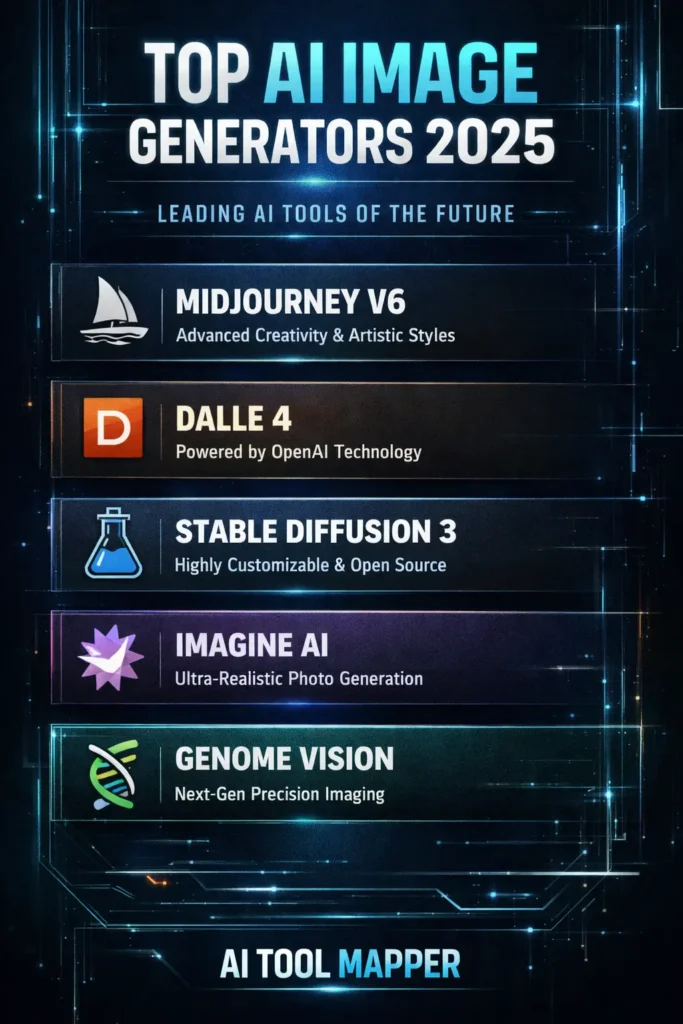

AI image generators are advanced text-to-image AI tools that convert written prompts into stunning visuals using machine learning models. Tools like Midjourney, DALL·E, and Stable Diffusion dominate the space due to their image quality, flexibility, and commercial usability. In this guide, we compare features, pricing, image quality, and use cases to help you choose the best AI image generator for your needs.
Top AI Image Generators Compared (Midjourney vs DALL·E vs Others)
Artificial intelligence has reshaped how we create content—but nowhere is that transformation more visually dramatic than in the world of AI-generated art. A few years ago, creating professional illustrations required expensive software, advanced design skills, and countless hours of effort. Today, you can simply type a sentence like “a cinematic portrait of a cyberpunk samurai at sunset” and receive a gallery-worthy image in seconds.
That shift isn’t just technological—it’s cultural. Designers, marketers, entrepreneurs, YouTubers, bloggers, and even small businesses are now using the Top AI Image Generators to create branding visuals, social media graphics, ad creatives, book covers, concept art, and product mockups without hiring a studio. But with dozens of AI image generation tools available, the real question becomes: Which AI image generator is best for you?
Is it the stylistic powerhouse Midjourney?
The accessible and conversational DALL·E?
Or the open-source flexibility of Stable Diffusion?
In this in-depth AI image generator comparison, we’ll explore image quality differences, pricing models, licensing clarity, commercial usage rights, and workflow integration. By the end, you’ll know exactly which platform fits your creative goals in 2026.
What Are AI Image Generators?
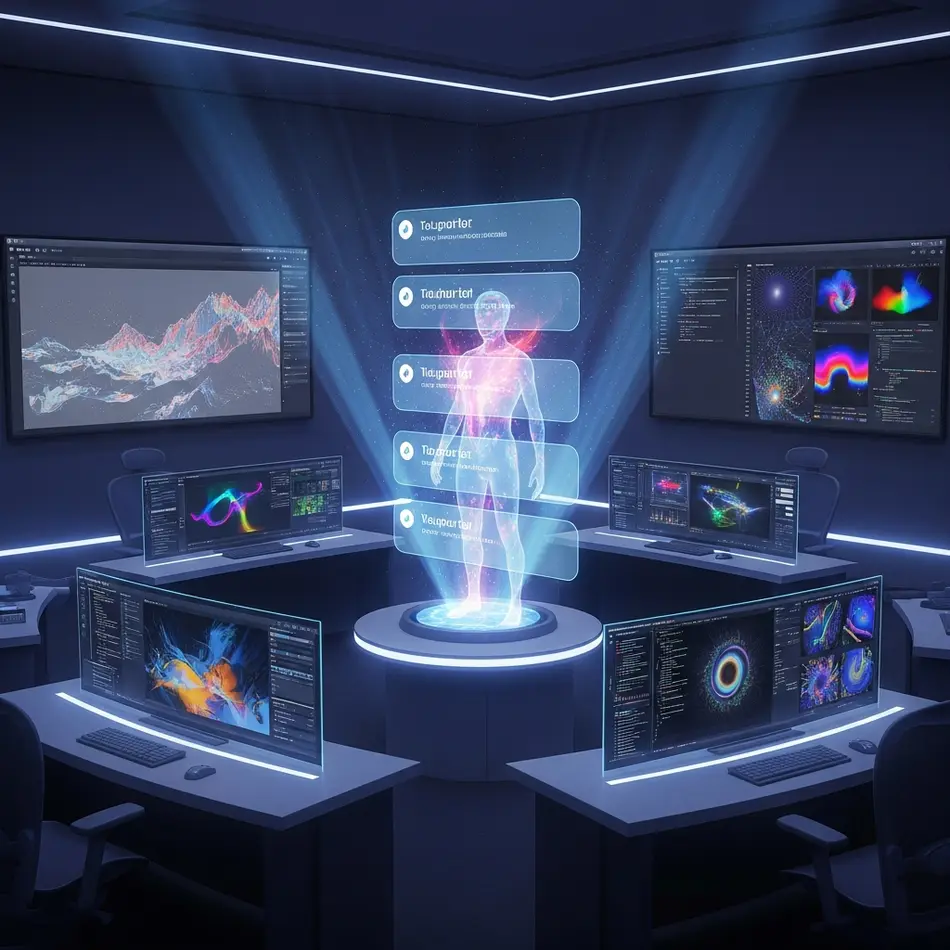
AI image generators are software systems that transform written descriptions into visuals using advanced deep learning models. These tools rely on neural networks trained on vast datasets of images and text. When you type a prompt—say, “minimalist logo of a mountain in flat design style”—the AI interprets your request and predicts pixels that align with your description.
In simple terms, a text to image AI tool works like a visual translator. It converts language into imagery.
Behind the scenes, many tools use diffusion models. These models start with random noise and gradually refine it into a coherent image based on your instructions. The result? Highly detailed artwork, illustrations, realistic portraits, product designs, and even surreal dreamscapes.
Why AI Image Generation Is Booming in 2026
The explosion of AI image generation tools isn’t accidental. Three key factors drive the boom:
- Speed – What once took hours now takes seconds.
- Accessibility – No design background required.
- Cost Efficiency – Cheaper than hiring freelance designers.
According to research shared by Harvard Business Review, AI-assisted creative workflows are increasing productivity across industries. Meanwhile, platforms like McKinsey & Company emphasize AI’s role in marketing and digital transformation.
Simply put, AI image generator online platforms are no longer experimental—they’re becoming essential.
Why Compare AI Image Generators?
Not all AI image generation tools deliver the same results. Some excel in artistic style. Others prioritize realism. Some are beginner-friendly, while others demand technical expertise.
An effective AI image generator comparison should consider:
1. Image Quality Differences
The AI-generated images quality comparison reveals noticeable variations in texture realism, lighting accuracy, and artistic depth.
2. Pricing & Licensing
Understanding Midjourney pricing vs DALL·E pricing is crucial if you’re working on a budget.
3. Ease of Use
Is the tool beginner-friendly? Does it require Discord? Can you use it inside ChatGPT?
4. Commercial Usage Rights
If you’re selling prints or using visuals in ads, you need clarity on commercial use AI image generator policies.
Comparing these factors ensures you select the best AI image generator based on your workflow—not hype.
Midjourney – Features, Pros & Cons
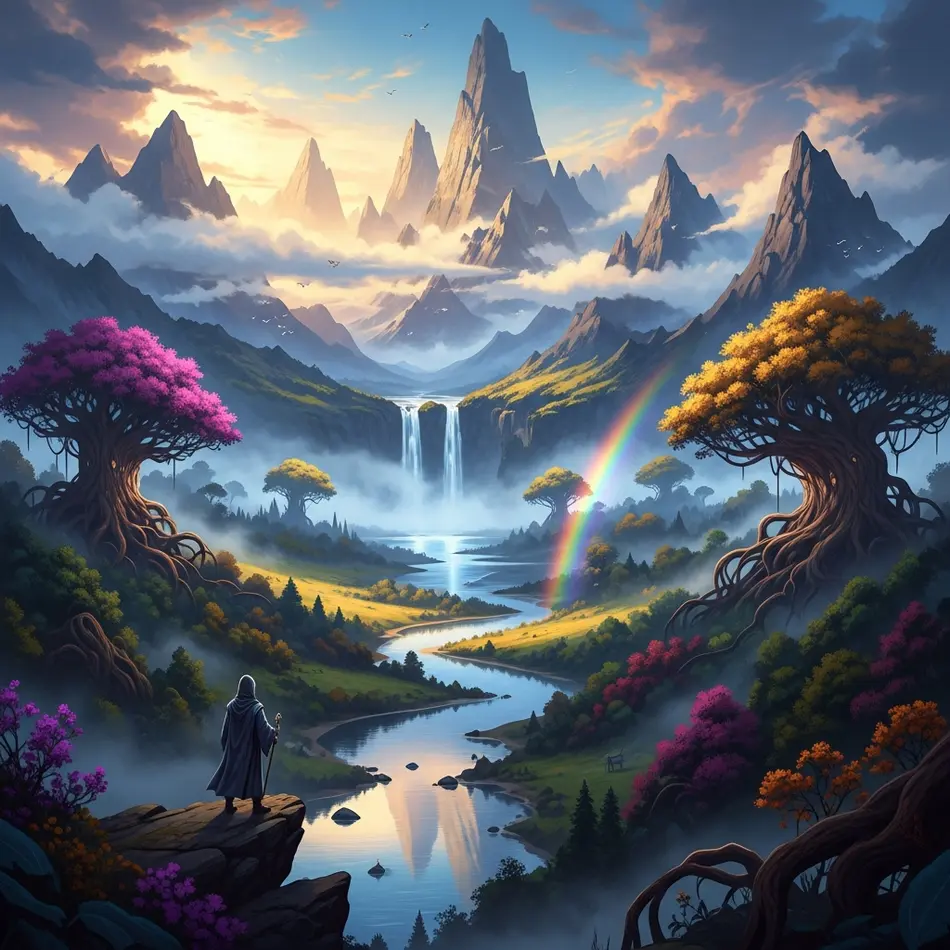
Midjourney is widely recognized as one of the Top AI Image Generators for artistic and cinematic outputs.
Image Quality & Style
Midjourney is known for painterly aesthetics, dramatic lighting, and hyper-detailed compositions. If you want fantasy art, sci-fi landscapes, or concept illustrations, it consistently produces gallery-level results.
In many AI-generated images quality comparison tests, Midjourney leads in visual depth and mood.
Prompt Control
Advanced prompt weighting allows users to control style, aspect ratio, and detail intensity. However, beginners may find the learning curve slightly steep.
Pricing Plans
Midjourney operates on a subscription model. There’s no permanent free AI image generator tier. Plans vary based on generation limits and GPU time.
Best Use Cases
- Artists
- Concept designers
- Creative agencies
- Book cover creators
❌ Limitations
- Discord-based interface can feel unconventional.
- No official free tier.
- Less control over exact text rendering in images.
DALL·E – Features, Pros & Cons

DALL·E has evolved into a powerful, accessible AI image generator integrated within ChatGPT.
Image Accuracy
DALL·E shines in prompt understanding. It accurately interprets detailed instructions, making it ideal for marketers and content creators who need precise visuals.
Integration with ChatGPT
The biggest advantage? Seamless conversational image creation inside ChatGPT. This reduces friction in creative workflows.
Editing & Variations
DALL·E offers inpainting (editing specific parts of images) and variation generation—making it excellent for brand adjustments.
Pricing & Usage Limits
Unlike Midjourney, DALL·E offers usage-based pricing. Some access tiers allow limited free generations.
❌ Limitations
- Slightly less artistic depth than Midjourney.
- Complex prompts may need refinement.
For beginners wondering “Which AI image generator is best?”, DALL·E often becomes the starting point.
Stable Diffusion – Features, Pros & Cons
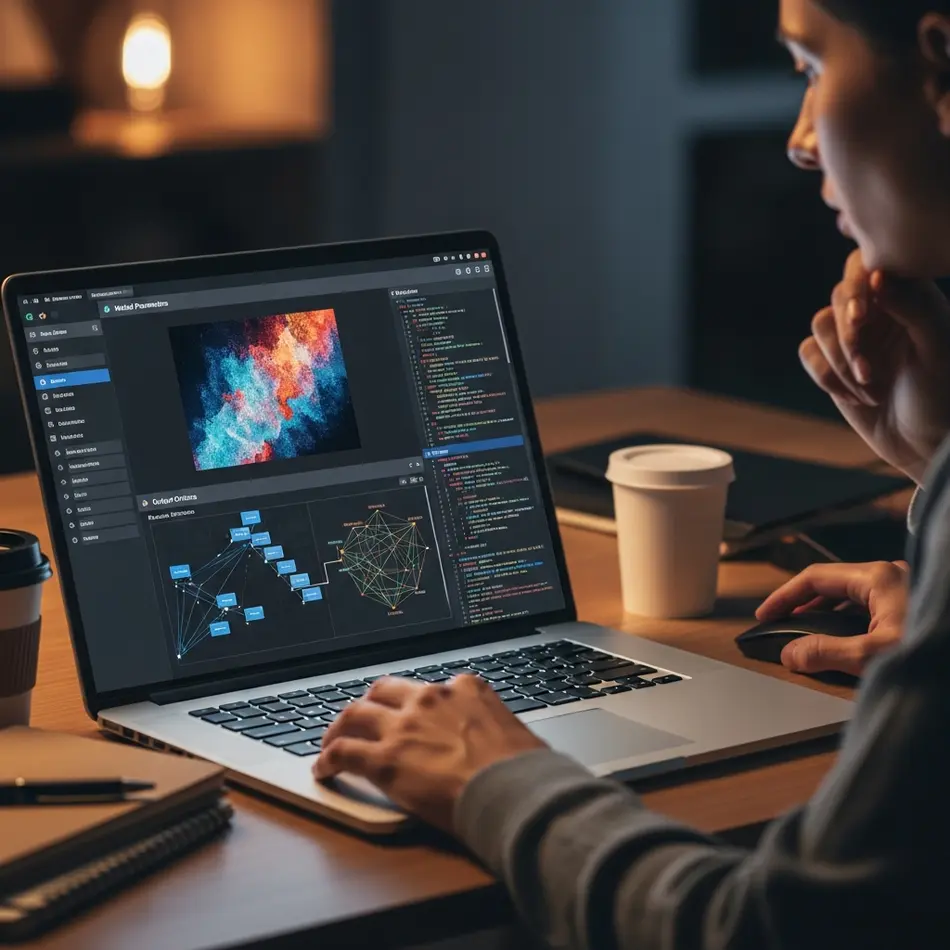
Stable Diffusion is an open-source AI image generator known for flexibility and customization.
Open-Source Flexibility
Unlike other AI image generation tools, Stable Diffusion can be installed locally. Developers can fine-tune models and create custom datasets.
Local vs Cloud Usage
Users can run it on local GPUs or via cloud platforms. This makes it appealing for advanced users.
Custom Models
Community-trained models allow niche styles, from anime to photorealism.
Pricing (Free vs Paid)
Technically free if run locally—but hardware costs apply. Cloud-based versions may charge per use.
❌ Limitations
- Requires technical knowledge.
- Setup complexity.
In the debate of Stable Diffusion vs Midjourney, flexibility is the deciding factor.
Other Popular AI Image Generators You Should Know

Beyond the giants, several Midjourney alternatives and DALL·E alternatives are worth exploring:
- Leonardo AI – Great for game assets.
- Adobe Firefly – Integrated within Adobe ecosystem.
- Bing Image Creator – Powered by DALL·E.
- Canva AI Image Generator – Beginner-friendly.
- NightCafe – Community-driven art platform.
These tools expand the AI art tools 2026 ecosystem dramatically.
Midjourney vs DALL·E vs Stable Diffusion (Comparison Table)
| Feature | Midjourney | DALL·E | Stable Diffusion |
| Image Quality | ⭐⭐⭐⭐⭐ | ⭐⭐⭐⭐ | ⭐⭐⭐⭐ |
| Ease of Use | Medium | Easy | Advanced |
| Pricing | Paid | Free + Paid | Free/Paid |
| Commercial Rights | Yes | Yes | Depends |
| Best For | Artists | Beginners | Developers |
Which AI Image Generator Is Best for You?

Choosing the best AI image generator depends entirely on your goals.
Best for Beginners
DALL·E or Canva AI.
Best for Designers
Midjourney for artistic control.
Best for Marketers
DALL·E for brand consistency.
Best Free AI Image Generator
Stable Diffusion (local) or limited Bing Image Creator.
Best for Commercial Use
Midjourney (clear paid license) and DALL·E (usage rights clarity).
Pricing Comparison of Top AI Image Generators
Understanding Midjourney pricing vs DALL·E pricing helps avoid surprises.
- Midjourney: Monthly subscription.
- DALL·E: Usage-based pricing.
- Stable Diffusion: Free open-source, paid cloud.
Value depends on generation volume and workflow integration.
Legal & Commercial Use Considerations
When choosing a commercial use AI image generator, check:
- Ownership terms
- Attribution rules
- Brand safety filters
- Dataset transparency
Referencing guidance from World Intellectual Property Organization can clarify evolving copyright standards.
Future of AI Image Generation Tools
AI art tools 2026 will likely include:
- Real-time editing
- 3D generation
- Video integration
- Marketplace integration
Platforms like AI Tool Mapper help users discover and compare AI image generation tools efficiently.
FAQs – AI Image Generators
1. Is Midjourney better than DALL·E?
It depends on your needs. Midjourney excels in artistic, stylized, and highly creative visuals, making it popular among designers. DALL·E, on the other hand, is more user-friendly and better for precise, prompt-based image generation. If you want creativity, go for Midjourney; for ease of use, DALL·E is a solid choice.
2. Can I use AI-generated images commercially?
Yes, you can use AI-generated images for commercial purposes, but it’s essential to review the licensing terms of the specific tool you’re using. Platforms like Midjourney or DALL·E may have different usage policies, especially for free vs paid plans, so always double-check before publishing or selling.
3. Which AI image generator is free?
Stable Diffusion is one of the best free AI image generators available. Being open-source, it allows users to run it locally and customize models. Many online platforms also offer free access with limitations, making it a popular choice for beginners and developers alike.
4. Are AI-generated images copyrighted?
The copyright status of AI-generated images is still evolving worldwide. In many regions, purely AI-generated content may not qualify for traditional copyright protection unless there is significant human input. Laws differ by country, so creators should stay updated with legal developments before using such images commercially.
5. Which tool gives the most realistic images?
Both Midjourney and customized versions of Stable Diffusion are known for producing highly realistic images. With proper prompts and fine-tuned models, users can achieve near-photographic results, especially for portraits, landscapes, and product visuals.
6. What is an AI image generator?
An AI image generator is a tool that uses machine learning models to create images from text prompts. Tools like Midjourney, DALL·E, and Stable Diffusion analyze descriptions and generate visuals accordingly, helping users create artwork, designs, and realistic images without traditional graphic design skills.
7. Do I need coding skills to use AI image generators?
No, most AI image generators are designed for non-technical users. Platforms like Midjourney (via Discord) and DALL·E offer simple interfaces where you just type prompts. However, tools like Stable Diffusion may require basic technical knowledge if you want to run them locally or customize models.
8. How can I improve AI image results?
To get better results, write detailed and specific prompts. Include style, lighting, colors, camera angles, and references. Experimenting with prompt variations and using advanced settings like seed values or model tuning (especially in Stable Diffusion) can significantly improve output quality.
9. Are AI-generated images safe to use for branding?
AI images can be used for branding, but caution is advised. Since outputs may resemble existing works or lack exclusivity, it’s important to verify originality. For unique branding assets like logos, combining AI generation with human design refinement is often the best approach.
10. Which AI tool is best for beginners?
DALL·E is one of the best tools for beginners due to its intuitive interface and ease of use. It requires minimal setup and delivers quick results, making it ideal for users who are new to AI-generated images.
11. Can AI image generators create logos?
Yes, AI tools can generate logo ideas, but they may not always meet professional branding standards. While they are great for inspiration and drafts, designers usually refine the output manually to ensure uniqueness, scalability, and proper brand identity alignment.
12. Are there limitations to AI image generators?
Yes, AI image generators may struggle with complex details like hands, text accuracy, or consistent characters. They also depend heavily on prompt quality and training data. Additionally, ethical and legal concerns, including bias and copyright issues, remain ongoing challenges in this technology.
Key Takeaways
- The Top AI Image Generators vary in quality, flexibility, and pricing.
- Midjourney leads in artistic output.
- DALL·E excels in accessibility and accuracy.
- Stable Diffusion offers unmatched customization.
- Commercial usage rights differ—always verify licensing.
- Your workflow determines the best AI image generator.
Final Verdict – Top AI Image Generators Compared
If you want cinematic visuals → Choose Midjourney.
If you want ease + editing → Choose DALL·E.
If you want customization → Choose Stable Diffusion.
There’s no single universal winner. The best AI image generator is the one aligned with your creative goals, technical skill, and budget.
👉 Explore & compare AI image generation tools on AI Tool Mapper to find the right solution for your workflow.
Found this helpful? Save it to your Pinterest board!